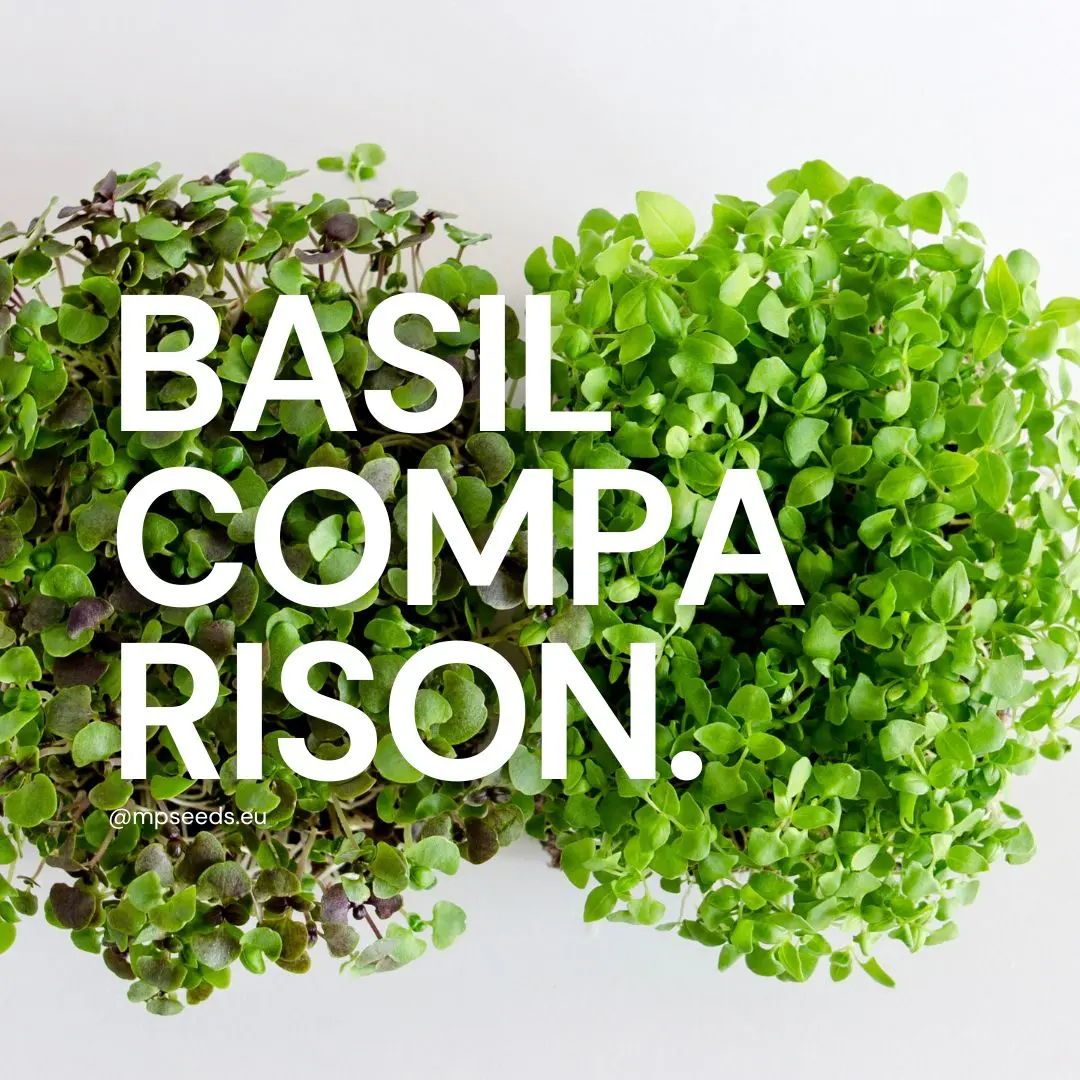
Basil microgreens take longer to grow than many other varieties, but their distinctive flavour and colour make them worth the wait. Learn how to grow them and compare Italian, Red Opal, Lemon and Cinnamon basil to choose the right variety for your dishes.
Menu
- Microgreens Bible (all blogs) (86)
- The ABCs of microgreens (33)
- Microgreens Business (29)
- Microgreens Growing Instructions (37)
- Cooking with microgreens (14)
- Recipes (8)
- Pea Microgreens (3)
- Supplies (7)
Watering is one of the most important parts of growing microgreens—and one of the easiest to get wrong. You'll learn how often to water, when to switch to bottom watering, how to recognize overwatering and underwatering, and how proper watering helps reduce the risk of mold.
Growing sprouts should be simple, yet many growers encounter the same frustrating problems: seeds that won’t sprout, uneven growth, unpleasant odors, or mold. The good news? Most germination issues have a clear cause and an easy solution. In this guide, we explain the most common reasons sprouts fail to grow, how temperature, moisture, airflow, and seed quality affect germination, and what you can do to achieve healthier, more reliable harvests every time.
Plant bulbs are like tiny life capsules - they store the energy and information a plant needs to grow. With just a bit of care, they can be turned into lush edible foliage plants that impress not only with their taste but also with their ornamental value. In this article, we’ll explain what plant bulbs are, how to grow edible leaves from bulbs, and why it’s worth exploring some lesser-known, decorative species that offer both beauty and culinary potential.
Reliable lighting is one of the biggest problems in microgreens production. Many ready-made LED lamps look good on paper but fail in practice: weak light, uneven coverage, overheating or unstable quality.
In this article we show a simple DIY LED lamp we used ourselves. Cheap, easy to build, easy to repair and proven in real growing conditions. You’ll see what components are needed, how the system works and how to assemble it step by step.
Microgreens don’t grow overnight. From dry seed to harvest-ready greens, plants pass through distinct growth stages, each with different needs, risks, and harvest timing. Knowing what happens at each stage makes it easier to manage light, moisture, airflow, and avoid problems like mold or weak, leggy growth.
This overview can be used both as a quick reference for growers and as a clear explanation to share with customers who want to understand how microgreens develop from seed to harvest.
Discover how microgreens taste shapes both the growing process and the culinary experience. From sweet and nutty to peppery and bold, explore the full flavor spectrum of microgreens, and learn how to grow, describe, and market taste like a professional.
The success of microgreens cultivation depends not only on seeds but also on the equipment you use. From trays and coco mats to lighting, fertilizers, and transport boxes—each tool plays a role in achieving strong, healthy, and consistent crops. With the right accessories matched to your scale, you can achieve higher yields and simplify your daily work.
From centuries-old herbal remedies to modern kitchens, borage has always stood out. This article explores its journey — from traditional medicine to its impressive nutritional profile rich in vitamins, antioxidants, and the rare anti-inflammatory GLA. You’ll also learn how to grow borage microgreens at home, the best ways to add them to your diet, and why they’re both a challenge and a reward for growers.
Microgreens growers often focus on light, water, and seeds—but there’s an invisible factor that can make or break your harvest: fungi. Discover which fungi help or harm your crop and learn quick tips to promote the good ones and prevent the bad ones.