Menu
- Microgreens Bible (all blogs) (86)
- The ABCs of microgreens (33)
- Microgreens Business (29)
- Microgreens Growing Instructions (37)
- Cooking with microgreens (14)
- Recipes (8)
- Pea Microgreens (3)
- Supplies (7)
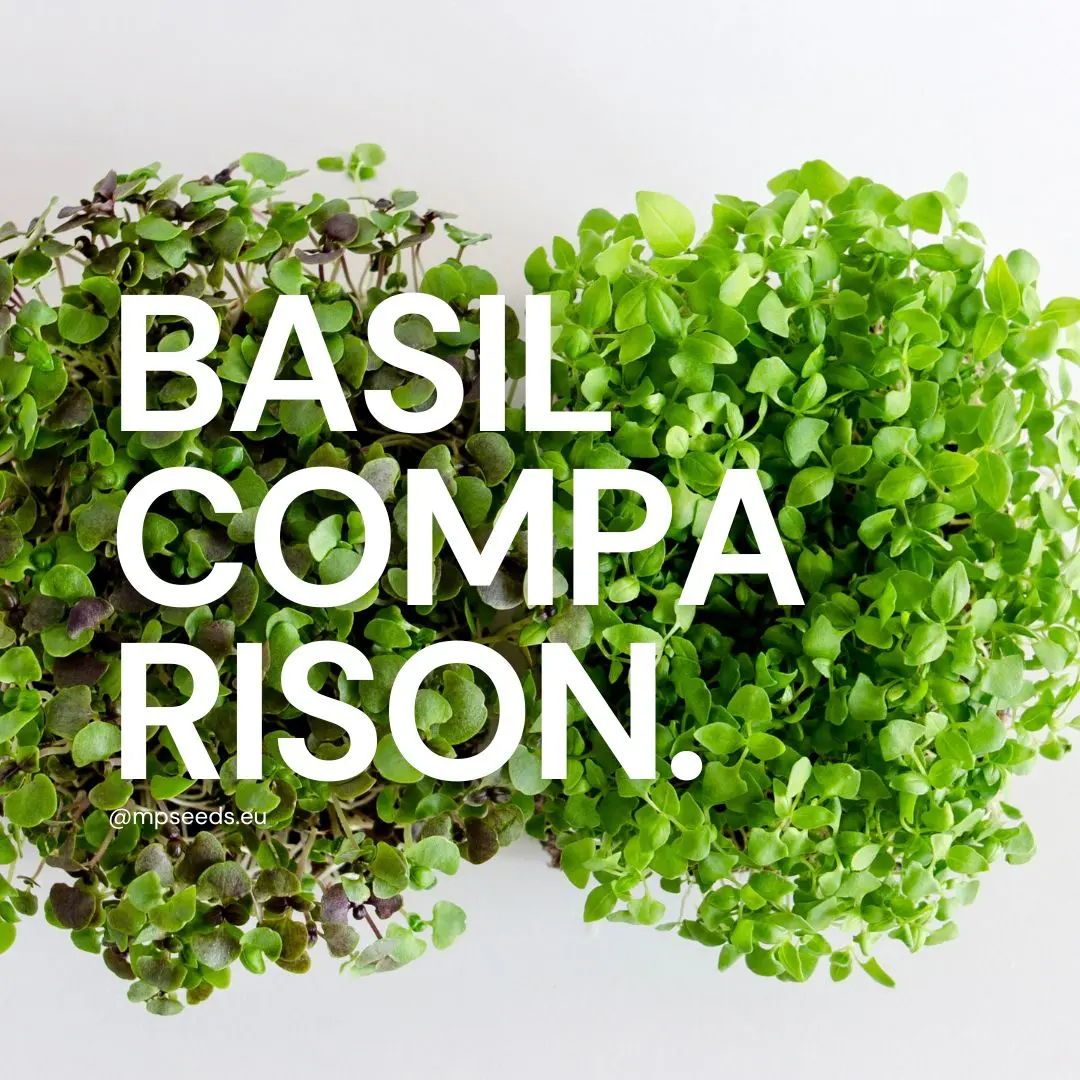
Basil microgreens take longer to grow than many other varieties, but their distinctive flavour and colour make them worth the wait. Learn how to grow them and compare Italian, Red Opal, Lemon and Cinnamon basil to choose the right variety for your dishes.
Great catering is about more than great food, it’s about creating dishes guests remember. We explore how microgreens can elevate event menus with vibrant colors, fresh flavors, and elegant presentation. You'll also discover which varieties chefs choose most often and how to use them in banquets, weddings, tasting menus, and premium catering.
Watering is one of the most important parts of growing microgreens—and one of the easiest to get wrong. You'll learn how often to water, when to switch to bottom watering, how to recognize overwatering and underwatering, and how proper watering helps reduce the risk of mold.
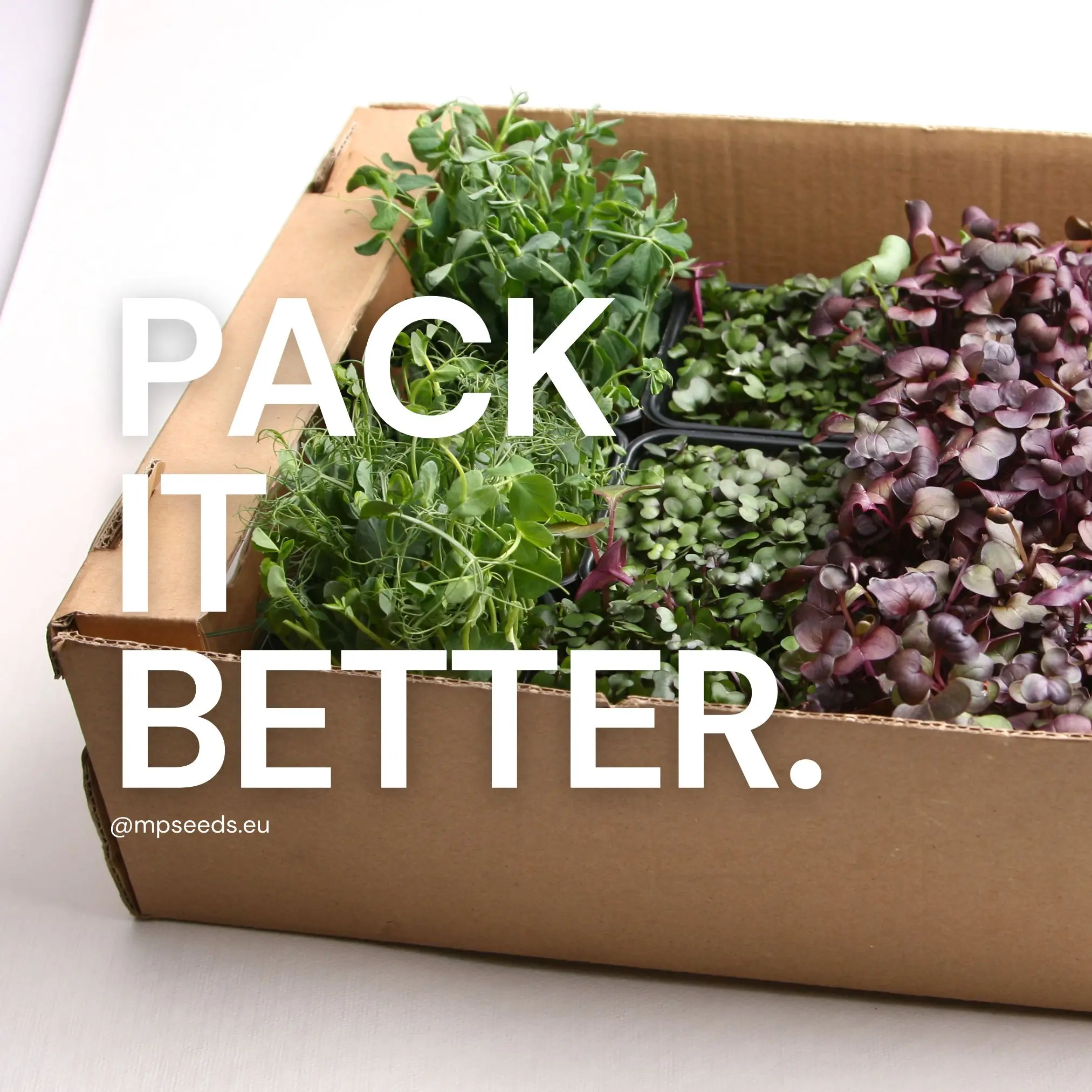
Fresh microgreens are delicate, highly perishable, and surprisingly sensitive after harvest. Even beautifully grown trays can quickly lose texture, aroma, and visual quality if packed incorrectly. This is why microgreens packaging matters just as much as growing conditions. Good packaging protects microgreens from excess moisture, physical damage, and premature wilting while helping them stay fresh longer during transport or storage. Whether you grow microgreens commercially or harvest small batches at home, understanding how to package microgreens properly can significantly improve shelf life and presentation.
Growing sprouts should be simple, yet many growers encounter the same frustrating problems: seeds that won’t sprout, uneven growth, unpleasant odors, or mold. The good news? Most germination issues have a clear cause and an easy solution. In this guide, we explain the most common reasons sprouts fail to grow, how temperature, moisture, airflow, and seed quality affect germination, and what you can do to achieve healthier, more reliable harvests every time.
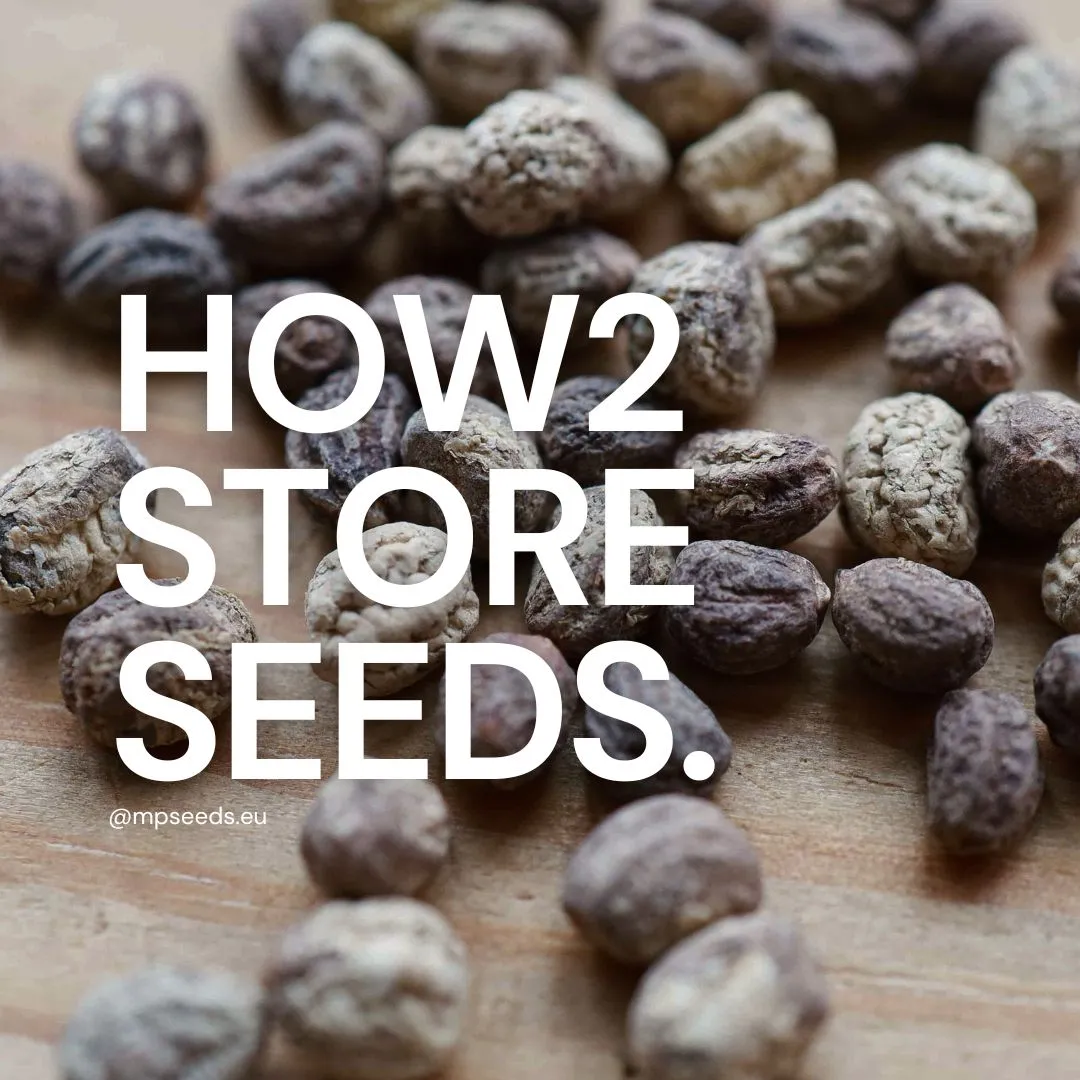
Do you have a lot of microgreens seeds, but don't know how to store them properly? Discover the optimal storage conditions, including temperature, humidity and light exposure, to ensure longevity and viability. Don't let your seeds go to waste - master the art of seed storage and grow a thriving microgreens garden today!
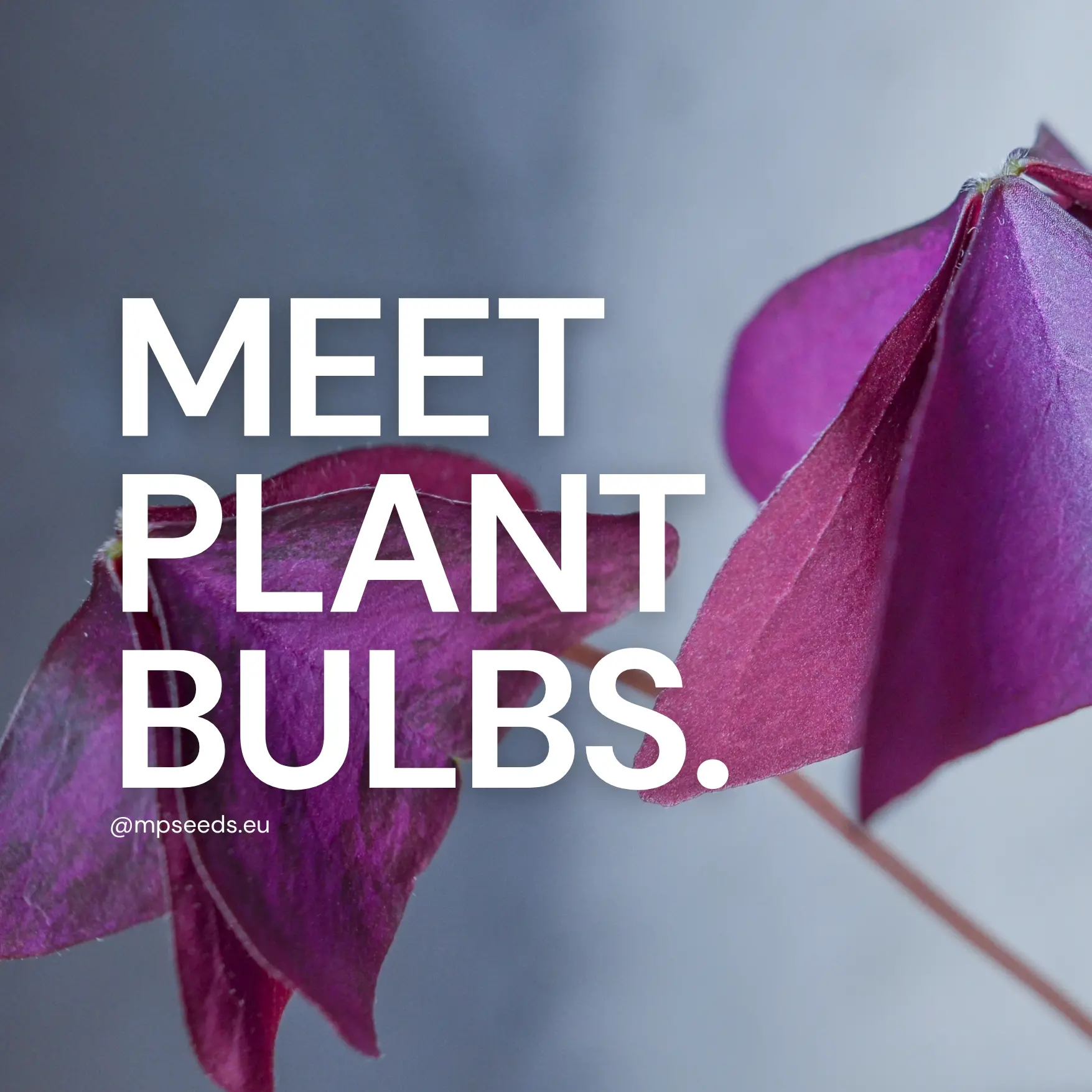
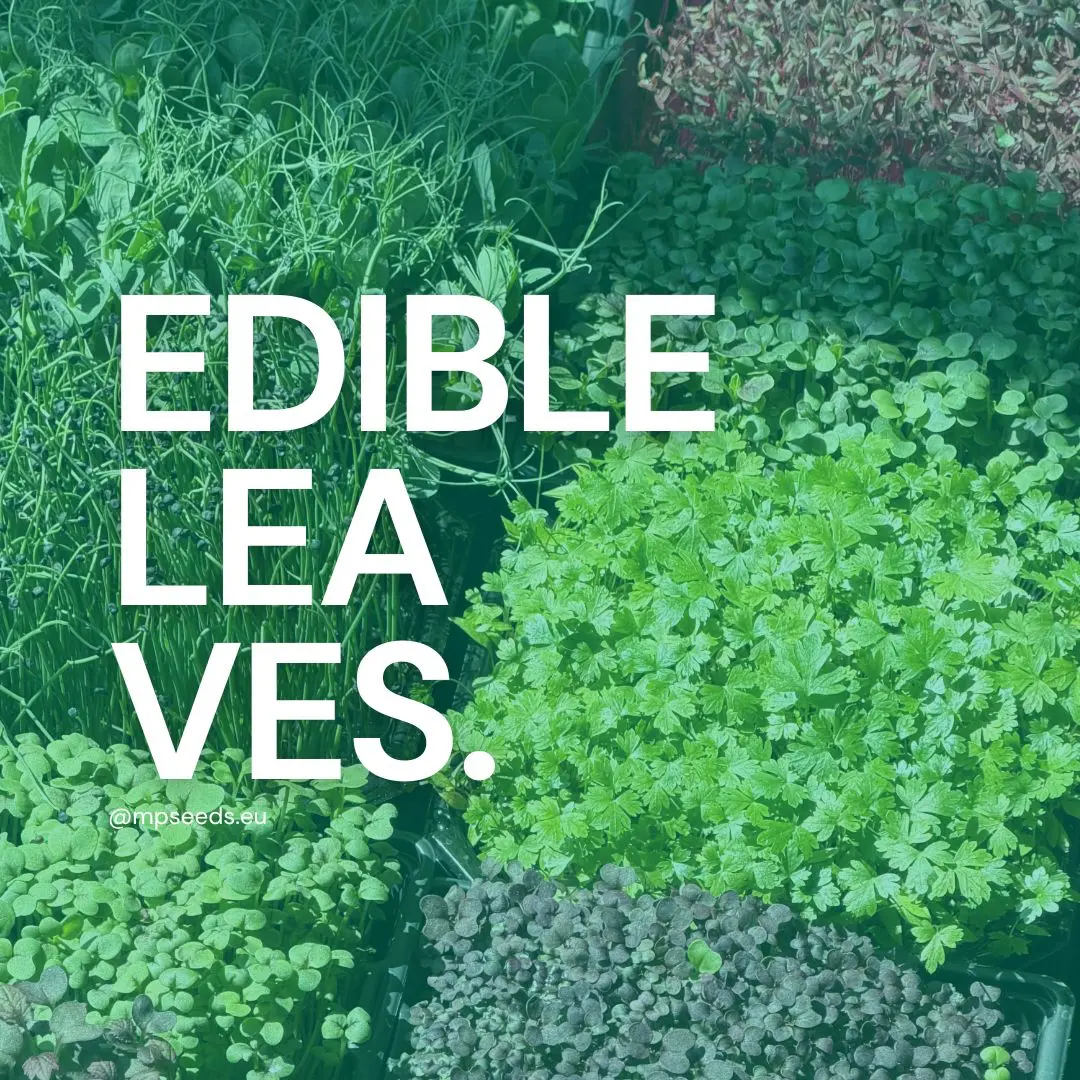
Plant bulbs are like tiny life capsules - they store the energy and information a plant needs to grow. With just a bit of care, they can be turned into lush edible foliage plants that impress not only with their taste but also with their ornamental value. In this article, we’ll explain what plant bulbs are, how to grow edible leaves from bulbs, and why it’s worth exploring some lesser-known, decorative species that offer both beauty and culinary potential.
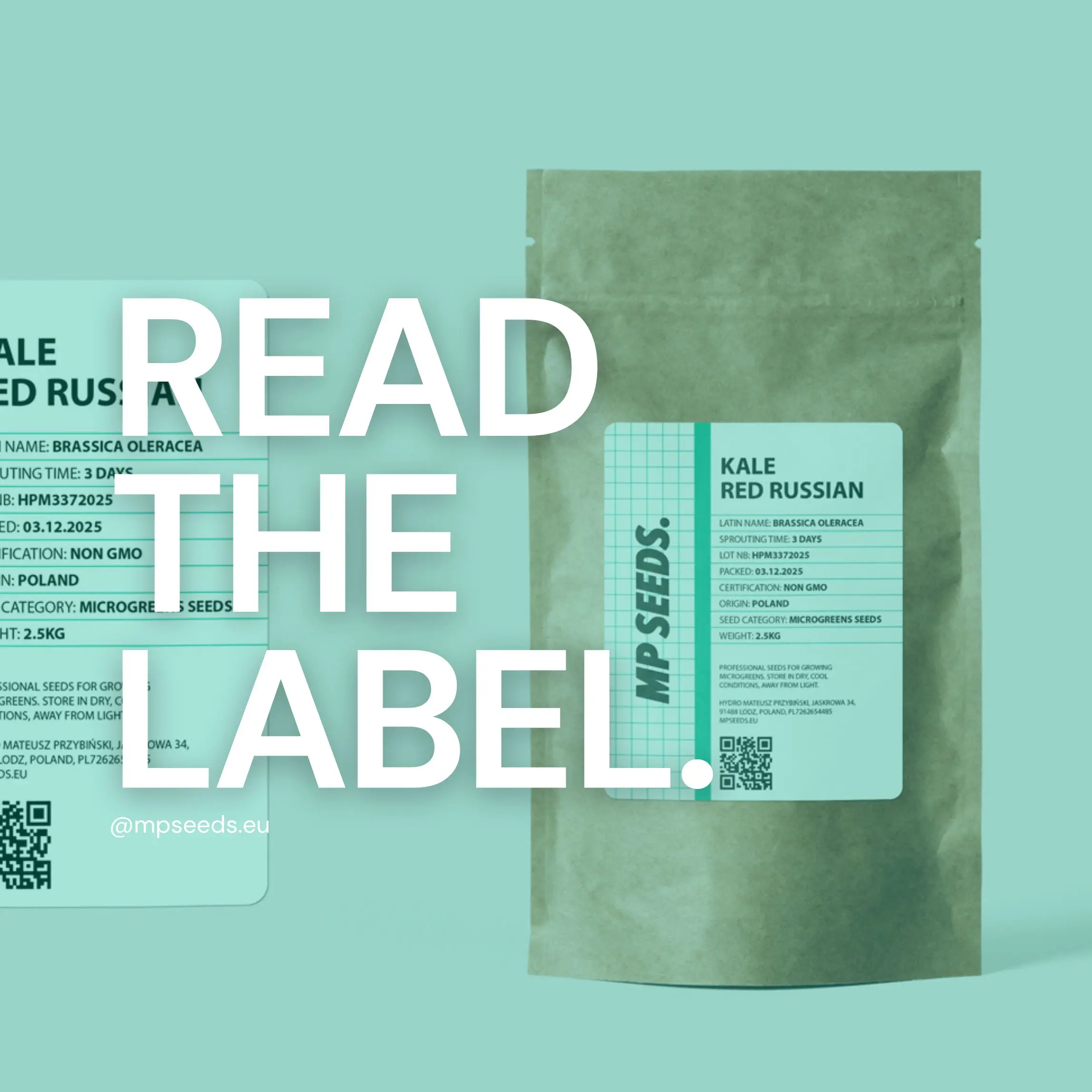
Your seeds may be inside the bag, but the label is what growers rely on every day. A professional microgreens seed label is more than packaging, it helps organize production, track seed batches, plan sowing cycles, and maintain traceability.
We break down what information every professional microgreens seed label should include, from lot numbers and sprouting time to plant passports and organic certifications. We also explain the different types of labels used in the industry and show how MP SEEDS approaches labeling to support both hobby growers and professional microgreens producers
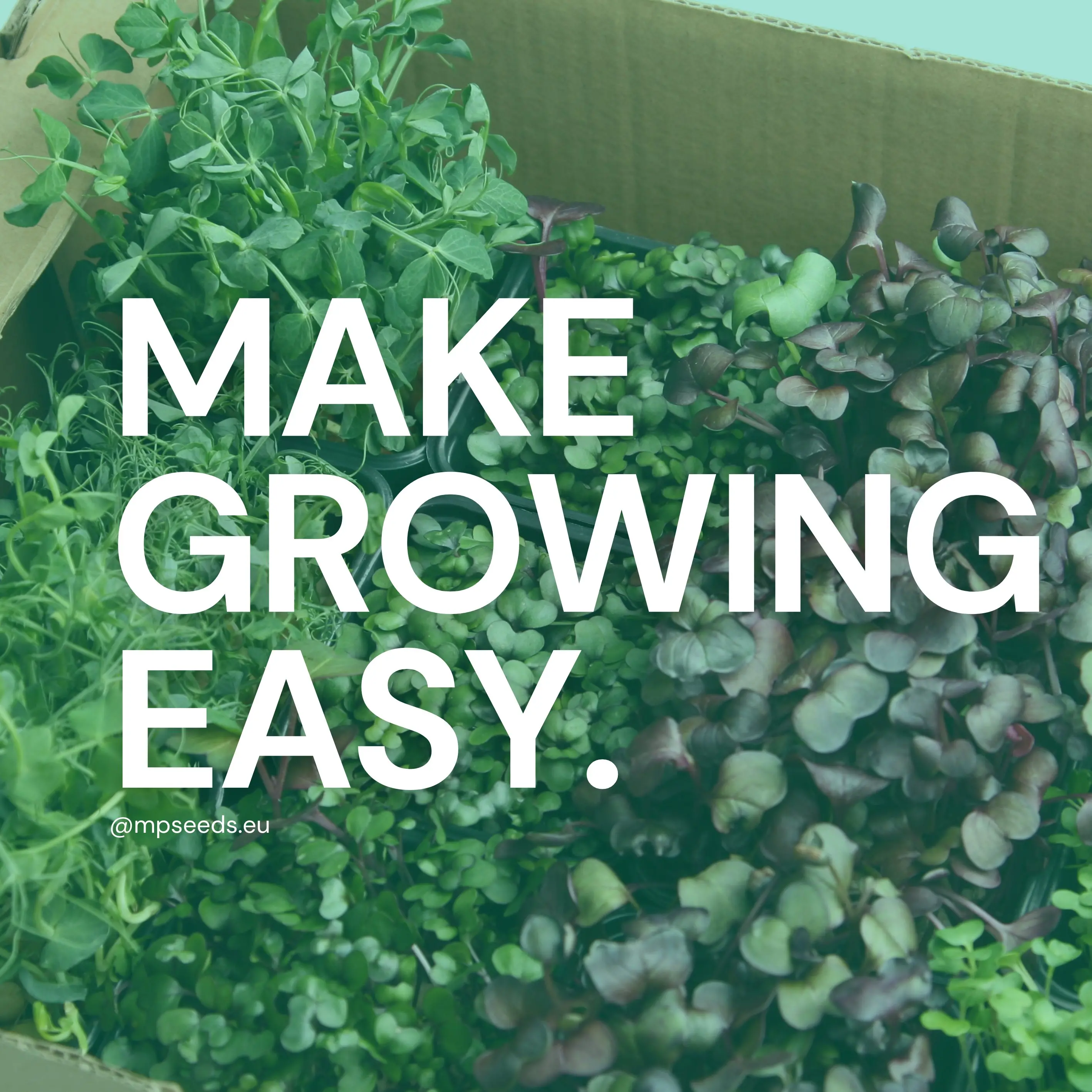
It may seem that growing plants on your own requires experience, time, and the right conditions. However, when it comes to microgreens, the situation looks completely different. More and more people are discovering that growing microgreens at home is not only possible, but surprisingly simple. If you’re wondering is growing microgreens difficult, the answer might pleasantly surprise you. With the right approach, you can enjoy your first harvest very quickly.