


Just enter your tray dimensions and the calculator will provide precise seeding rates, soaking instructions, blackout days, and growing time.
Flax Microgreens Seeds
Availability:
available
Dispatched within:
up to 2days
Price:
€3.02
including Polish VAT
Regular price:
The lowest price during 30 days prior to the reduction:
product unavailable
* - field mandatory
Product code:
FLAX
 Description
General Information about Flax Microgreens Seeds
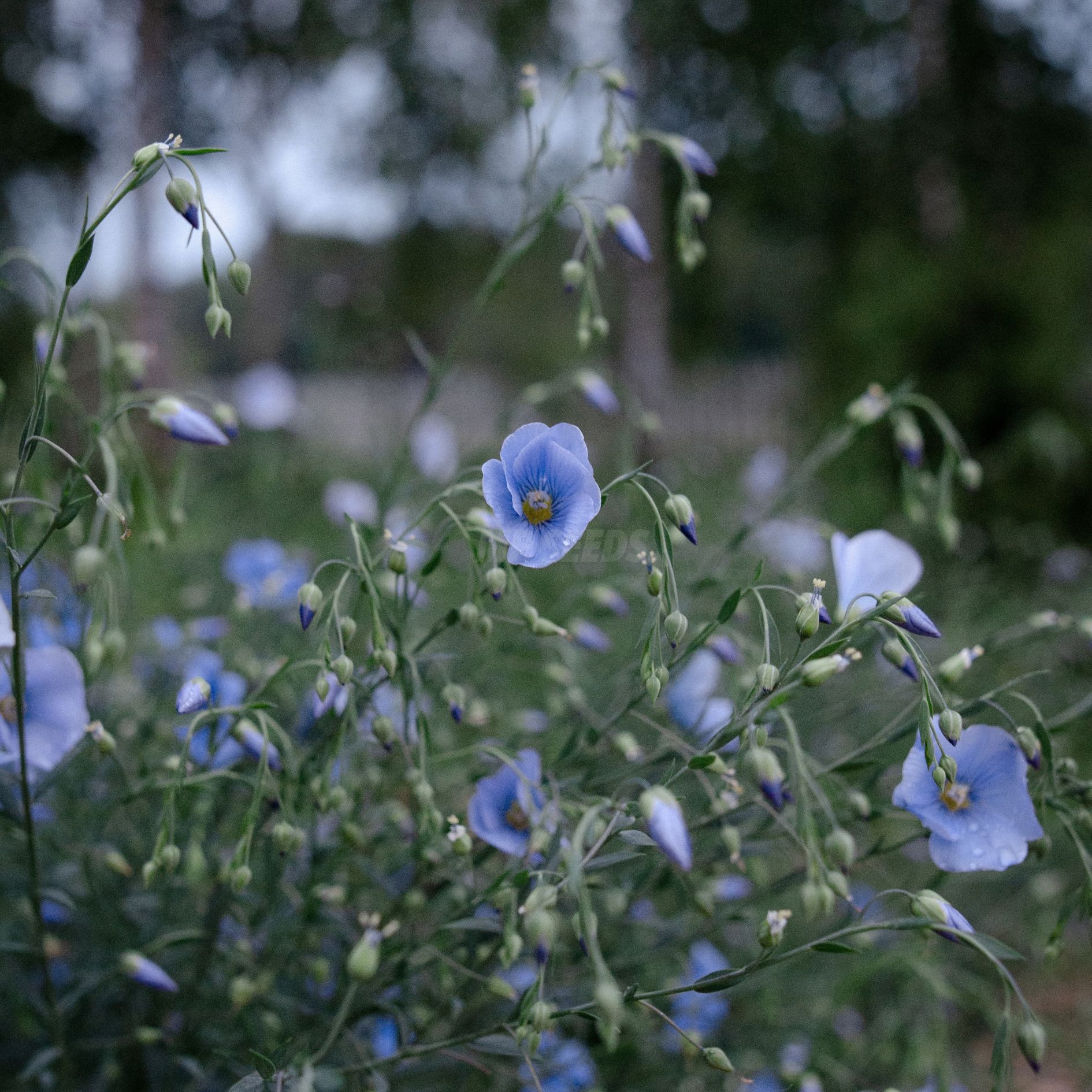
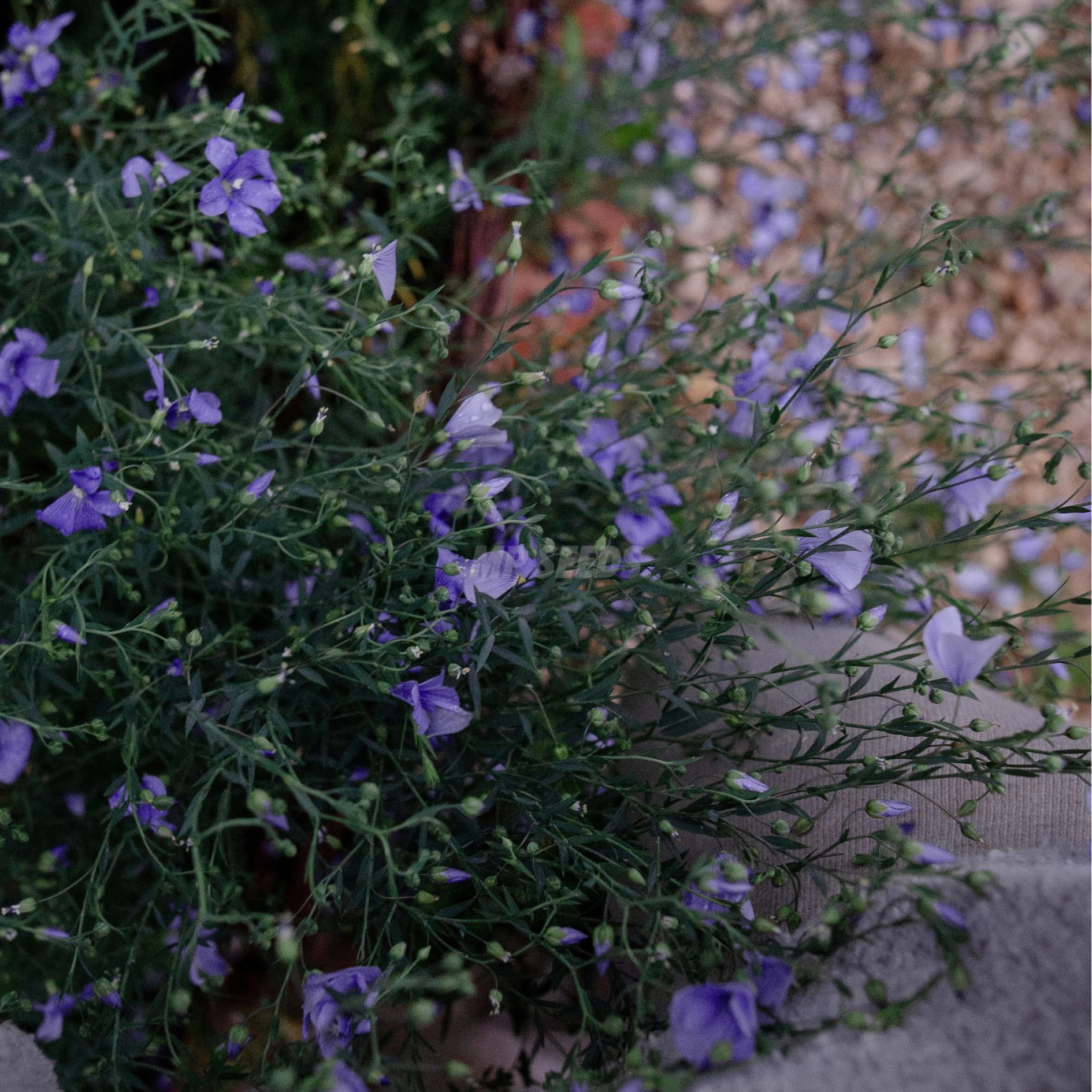
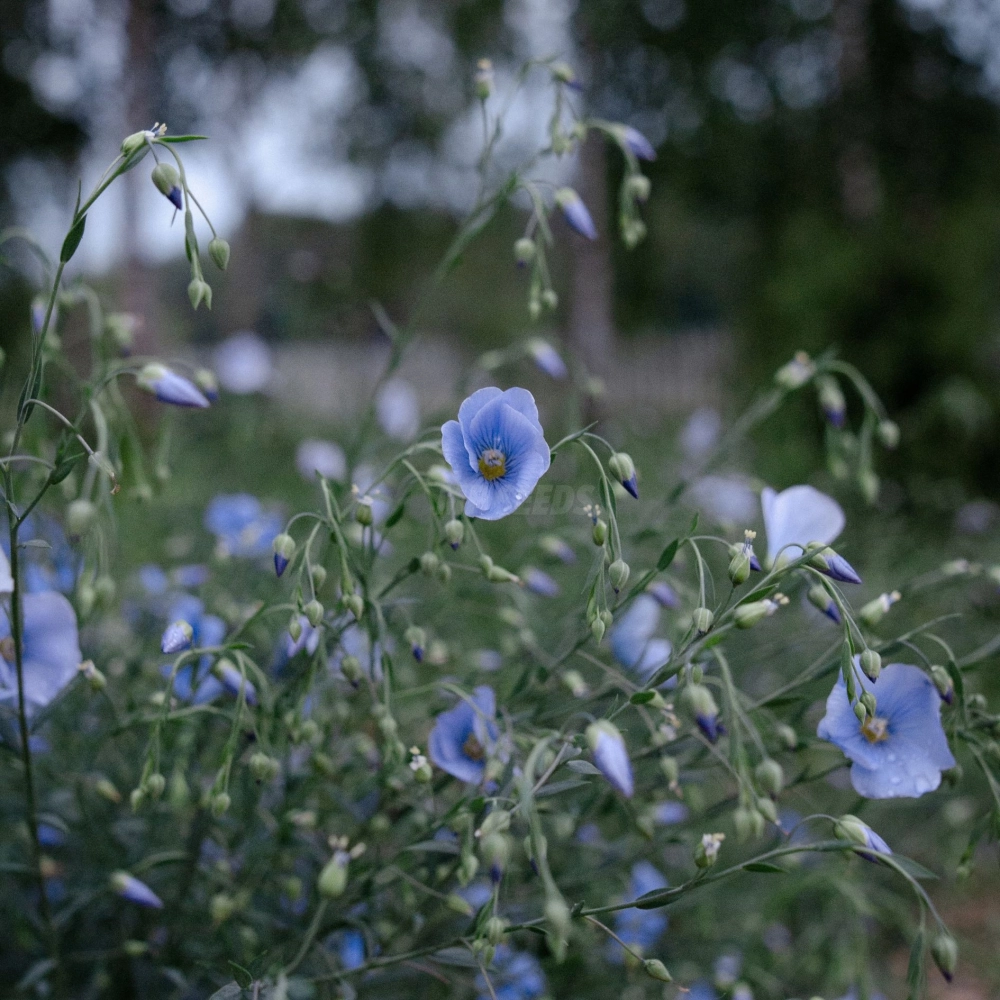
Flax Microgreens Seeds produce slender, upright shoots with small green leaves and a light, delicate appearance. Also known as linseed microgreens , they offer growers an unusual alternative to stronger-flavoured varieties such as radish or mustard.
Flax seeds have one unusual feature. When they get wet, they form a clear, gel-like coating called mucilage . This is a natural part of the seed, not mould. As the wet seeds become sticky, spread them carefully and avoid using too much water. Even moisture and good airflow help the crop grow evenly.
Taste & Appearance of Flax Microgreens
Flax microgreens have narrow, upright shoots with thin green or pale green stems and small green leaves. They usually reach approximately 5–8 cm, although their final height depends on the growing system and harvest time.
Their flavour is commonly described as mild and lightly nutty, with subtle herbal or mineral notes. The aroma is gentle, while the shoots have a soft, delicate texture. These characteristics make flax useful when a peppery microgreen would overpower the dish.
How to Grow Flax Microgreens
Do not soak the seeds . Wet flax seeds form a sticky gel, which makes them difficult to spread.
Moisten a cellulose, coconut or hemp mat. Let any extra water drain away. Spread the seeds evenly. Use 140–160 g per square metre, or about 8–10 g for a 20 × 30 cm tray.Cover the tray and keep it in the dark for two to three days at around 20°C. Keep the mat moist, but not too wet. Do not leave the seeds in standing water.
Remove the cover when the shoots are growing well. Place the tray under a grow light and provide good airflow. Water from below once the roots have formed. Let extra water drain from the tray. Avoid keeping the mat very wet.Harvest the microgreens 10–14 days after sowing. Cut them just above the mat with a clean knife or scissors. Harvest earlier for softer shoots or leave them for a few more days if you want them taller.
How to Use Flax Microgreens
The mild flavour of flax microgreens works well in dishes where stronger mustard or radish notes would be distracting. Use the shoots as a light garnish for creamy vegetable soups, including pumpkin, cauliflower, carrot or potato soup.
They also pair naturally with soft cheeses, labneh, yoghurt-based dressings, eggs and avocado. Add them to sandwiches, open toast or fresh salads with cucumber and apple. Their slim stems and small leaves bring height and movement to a plate without covering the main ingredients.
Flax can also soften the overall flavour of a mixed microgreen selection . Combine it with small amounts of radish, mustard or broccoli microgreens when you want visual variety with a more balanced level of heat.
Handle the shoots gently after cutting . Their fine structure and soft texture make them more delicate than robust crops such as pea shoots. Use them fresh and keep harvested microgreens chilled.
Nutritional Benefits of Flax Microgreens
Flax microgreens combine a delicate texture with a range of naturally occurring plant compounds. The green shoots contain chlorophyll and carotenoids, as well as phenolic compounds, flavonoids and chlorogenic acid. Their levels can vary with the light used during growing.
With their fresh colour and mild flavour, flax microgreens are an interesting addition to mixed trays and finished dishes. They add variety without the strong, peppery taste of crops such as radish or mustard.
Flax is eaten as seeds, young sprouts and microgreens. Each stage has a different nutritional profile. Protein, fibre and omega-3 values commonly given for flax usually refer to the seeds or sprouts, not to harvested microgreens.
| Variety: | Flax Microgreens Seeds |
| Certification: | Conventional seeds |
| Seed Category: | Microgreen seeds |
| Latin Name: | Linum usitatissimum L. |
| Difficulty level: | Easy |
| Soaking: | No |
| Watering: | Moderate |
| Blackout Time: | Approx. 2–3 days |
| Total Growing Time: | Approx. 10–14 days |
| Taste: | Mild and lightly nutty, with subtle herbal or mineral notes |
| Stem Colour: | Green to pale green |
| Leaf Colour: | Green |
| Nutritional Benefits: | Chlorophyll, carotenoids and natural phenolic compounds. |
FAQ about Flax Microgreens Seeds
Should flax seeds be soaked before sowing?
For the simplest growing method, sow them without soaking. Flax forms a gel-like coating when wet, which makes soaked seeds harder to distribute.
How long do flax microgreens take to grow?
A practical harvest window is approximately 10–14 days. Try harvesting small samples on different days to compare their texture, flavour and appearance before choosing a standard schedule.
What do flax microgreens taste like?
They are generally described as mild and lightly nutty, sometimes with subtle herbal or mineral notes. Their gentle flavour suits dishes where stronger, peppery microgreens may dominate.


