What are plant bulbs and how to grow edible leaves from them?
Plant bulbs are like tiny life capsules - they store the energy and information a plant needs to grow. With just a bit of care, they can be turned into lush edible foliage plants that impress not only with their taste but also with their ornamental value. In this article, we’ll explain what plant bulbs are, how to grow edible leaves from bulbs, and why it’s worth exploring some lesser-known, decorative species that offer both beauty and culinary potential.
Table of Contents:
- What are plant bulbs and why are they important for growing?
- How to grow edible leaves from bulbs?
- Oxalis Deppei - growing and harvesting lemon-flavored leaves
- Oxalis Triangularis Mijke and Sanne - decorative and edible
- How to store oxalis bulbs?
- Oxalis bulbs from mpseeds.eu - grow something beautiful and tasty
- From bulb to plate - add edible leaves to your daily meals
What are plant bulbs and why are they important for growing?
Before we get into hands-on growing, let’s clarify what plant bulbs are. A bulb is an underground storage organ that holds water and nutrients, helping the plant survive adverse conditions and sprout when the time is right. Bulbs are found in a wide range of species - from onions and tulips to oxalis (wood sorrels). Many of them offer edible leaves that can be easily grown at home and used in the kitchen. Bulb-based plants are often easy to grow, tolerant of short dry spells, and - most importantly - capable of regenerating from the bulb. This makes them a fantastic alternative to traditional microgreens, especially if you're looking for something unique and low-maintenance.
[product id="252, 287"]
How to grow edible leaves from bulbs?
Knowing how to grow edible leaves from bulbs doesn’t require gardening expertise. Most suitable species grow well in pots, indoors, with no need for garden space or professional equipment. To grow healthy and flavorful leaves, just follow a few basic steps.
Start by choosing edible plant bulbs - those that are safe to eat and free from toxic compounds. Many ornamental plants offer edible leaves that can also be used in the kitchen, such as Oxalis deppei or Oxalis triangularis.
Prepare a pot with well-draining soil and plant the bulbs with the pointed end facing up, about 2-3 cm deep. Place the pot in a bright spot with indirect sunlight and keep the soil moist but not soggy.
After a few weeks, young leaves will appear. These can be harvested and used in salads, sandwiches, or as garnish. Some bulbs with edible leaves will regrow after cutting, allowing you to enjoy them multiple times from a single planting.
Oxalis Deppei - growing and harvesting lemon-flavored leaves
One of the most interesting edible foliage plants is Oxalis Deppei - also known as the lucky shamrock. It produces eye-catching green and purple four-leaf clovers with a light, citrusy taste.
Growing Oxalis Deppei is simple and rewarding:
-
Choose a pot with lightweight, well-draining soil.
-
Plant the bulbs about 2.5 cm deep, pointed side up.
-
Place the pot in a sunny or lightly shaded location.
-
Water when the top layer of soil feels dry.
-
Expect the first leaves to appear within a few weeks.
You can start harvesting once the leaves reach a usable size - usually 3-4 weeks after planting. Cut the leaves near the base, leaving a few intact to maintain photosynthesis. With proper care, the plant will regrow, especially if lightly fertilized and kept in favorable conditions.
Oxalis Triangularis Mijke and Sanne - decorative and edible
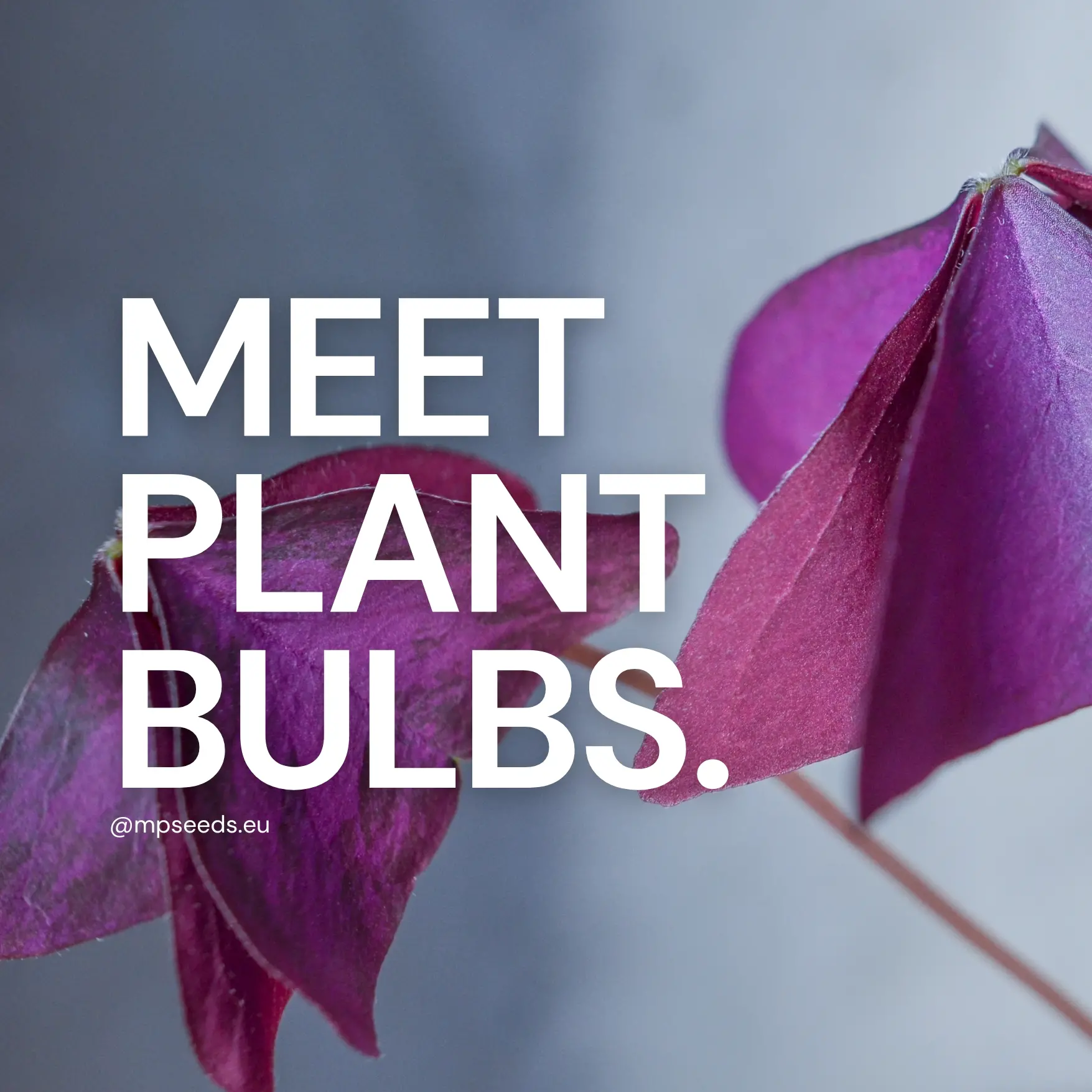
Two other notable varieties are Oxalis Triangularis Mijke and Oxalis Triangularis Sanne. These cultivars are known for their striking, triangular, deep-purple leaves - a visual treat in both pots and dishes.
How to grow Oxalis Triangularis Mijke?
-
Fill a pot with well-draining soil.
-
Plant the bulbs with the pointed end up.
-
Place the pot in a bright location, out of direct sunlight.
-
Water regularly to maintain moderate moisture.
-
Feed once a month with a liquid fertilizer.
-
Remove dead leaves to stimulate new growth.
Oxalis Triangularis Sanne is just as easy to grow. Plant the bulbs about 2.5 cm deep in loose soil and keep the pot in a spot with diffused light. Water when the topsoil begins to dry out, and fertilize monthly with a diluted liquid fertilizer.
Both varieties become edible when mature, typically after 6 to 10 weeks. Their tangy leaves make a fun and flavorful addition to dishes. Growing them yourself ensures they’re free of pesticides and cultivated in safe, controlled conditions.
[product id="251, 252"]
How to store oxalis bulbs?
If you don’t use all the bulbs right away, no worries, they can be stored for several months. Keep the dry bulbs in a paper bag or cardboard box in a cool, dark, and dry place with good airflow (ideal temperature: 8-15°C / 46-59°F). Check them occasionally to ensure they stay firm and healthy.
Oxalis bulbs from mpseeds.eu - grow something beautiful and tasty
At mpseeds.eu, you’ll find carefully selected varieties like Oxalis Deppei, Oxalis Triangularis Mijke, and Oxalis Triangularis Sanne - perfect for home growing and producing vibrant ornamental edible leaves with a pleasantly tart flavor. The bulbs are tested for quality and germination, making them quick to sprout and easy to grow. They’re ideal for beginners, home chefs, and plant lovers looking to experiment with something different and edible. In addition to oxalis, mpseeds.eu also offers microgreen seeds. It’s a place where your potted plant can become part of your plate and your kitchen routine.
[product id="252, 287"]
From bulb to plate - add edible leaves to your daily meals
Growing from edible plant bulbs is more than just a fun hobby. It's a practical way to bring fresh, flavorful greens straight into your kitchen. Now that you know what are plant bulbs, how they grow, and which types can provide unique, refreshing flavors, you're ready to give it a try. With plants like Oxalis Deppei or Triangularis, you’ll add not only beauty to your space but real value to your diet. And when you start with bulbs from mpseeds.eu, you know you’re choosing reliable, high-quality material. So go ahead - plant, grow, harvest, and discover how much taste can come from a single little bulb.



 Menu
Menu