
How To Grow Broccoli Microgreens + Unlocking Their Potential for Health and Culinary Delights 😊🥦
Introducing the Green Revolution: Harnessing the Power of Microgreens and Sprouts for Health and Flavor! Discover the world of broccoli microgreens and sprouts, where nutrient-dense superfoods meet culinary delight, offering a wealth of health benefits and endless possibilities for your plate. In this article we will go over below topics:
- Introduction - Understanding Broccoli Microgreens
- Step-by-Step Guide to Growing Broccoli Microgreens at Home
- The difference between broccoli microgreens and sprouts
- Comparing Nutritional Profiles: Broccoli Microgreens vs. Broccoli Sprouts
- Nutritional Value and Health Benefits
- Recipes and Culinary Uses
- Conclusion

1. What are Broccoli Microgreens?
Broccoli microgreens are the vibrant and delicate shoots of the broccoli plant, harvested just a few weeks after germination. These tiny greens are known for their intense flavor, crisp texture, and remarkable health benefits. 🌱🌿
2. What are Broccoli Sprouts?
Broccoli sprouts are the young, newly germinated seeds of the broccoli plant, typically harvested just 3 to 5 days after sprouting. Unlike microgreens, which are usually grown for a bit longer and harvested with their first true leaves, sprouts are eaten much earlier — stems, seed husks, and all.
They’re grown without soil, usually in jars, sprouters, or trays with mesh, and require only water and air circulation to thrive. No light needed — just a rinse 2–3 times daily.
[product id="14, 96"]
3. The difference between broccoli microgreens and sprouts 🌿

While often confused with sprouts, microgreens are grown in soil, allowing them to develop more complex flavors and textures. Their miniature size and nutritional density make them a versatile and exciting addition to any diet. 🌱🍽️
3.1. Broccoli sprouts vs broccoli microgreens in general:
►Broccoli Microgreens:
- Growth: Microgreens are grown in soil, allowing them to develop a more complex root system and absorb nutrients from the ground.
- Germination: Microgreens are typically grown from seeds that are sown densely and allowed to grow for a short period, usually around 1-2 weeks.📆
- Appearance: Broccoli microgreens have small, delicate leaves with a range of vibrant colors, including shades of green and purple.
- Flavor: Microgreens have a concentrated flavor that is more intense compared to mature plants. Broccoli microgreens offer a slightly spicy and earthy taste.
►Broccoli Sprouts:
- Growth: Sprouts are grown without soil and are typically cultivated in water or using specialized sprouting equipment. They are harvested before true leaves develop.
- Germination: Sprouts are produced by soaking seeds in water and allowing them to sprout and grow for a short period, usually 3-6 days.
- Appearance: Broccoli sprouts consist of a short stem with small, underdeveloped leaves and often have the seed husk still attached.🌾
- Flavor: Sprouts have a milder and more delicate flavor compared to microgreens. Broccoli sprouts have a slightly nutty and fresh taste.
3.2. Comparing Nutritional Profiles: Broccoli Microgreens vs. Broccoli Sprouts
►Broccoli Sprouts (3–5 days old)
-
Sulforaphane: Super high (up to 20–50x more than mature broccoli)
-
Water content: Very high (~90–95%), since they’re harvested early
-
Fiber: Minimal – sprouts are harvested before leaves and true stems develop
-
Amino acids: Present in early stages, especially glutamine and alanine, but not as diverse as in microgreens
-
Enzymes: High levels of active enzymes, which may support digestion
-
Fast nutrient shot: Best for detox, cellular defense, and anti-inflammatory effects
►Broccoli Microgreens (7–14 days old)
-
Sulforaphane: Still present, but lower than in 3-day-old sprouts
-
Water content: Slightly lower than sprouts (~85–90%), with more dry mass
-
Fiber: Higher – microgreens develop leaf structure and small stems, adding dietary fiber
-
Amino acids: More complete profile, including lysine, valine, leucine – thanks to longer growth and photosynthesis
-
Phytonutrients: Includes chlorophyll, flavonoids, and higher levels of antioxidants like vitamin C and beta-carotene
-
Vitamins: High in A, C, E, K – especially compared to both sprouts and mature broccoli
-
Better for meals: Ideal as a colorful, tasty, and nutrient-rich topping or side
🥦 Broccoli Sprouts vs. Broccoli Microgreens – Full Comparison
| Aspect |
Broccoli Sprouts |
Broccoli Microgreens |
| Growth Method |
Grown in water or sprouting jars, no soil |
Grown in soil or substrate (e.g. coco coir) |
| Growing Time |
3–6 days |
7–14 days |
| Germination |
Soaked seeds, quick sprouting |
Sown densely, sprouts and develops leaves |
| Appearance |
Short stems, undeveloped leaves, seed husks attached |
Delicate leaves, green to purple hues, visible stem |
| Flavor |
Mild, fresh, slightly nutty |
Spicy, earthy, more intense |
| Sulforaphane |
Extremely high (up to 40x more than mature broccoli) |
Present, but lower than sprouts |
| Water Content |
Very high (90–95%) |
Slightly lower (85–90%) |
| Fiber |
Minimal |
Higher – true leaves and stem |
| Amino Acids |
Basic profile (glutamine, alanine) |
More complete (lysine, valine, leucine) |
| Enzymes |
High – supports digestion |
Lower, most enzymes already used in early development |
| Vitamins |
Lower (early stage) |
High in A, C, E, K |
| Phytonutrients |
Limited |
Rich in chlorophyll, carotenoids, antioxidants |
| Best Use |
Quick health shots, detox support |
Gourmet dishes, nutrient-rich meals, salads |
4. Step-by-Step Guide to Growing Broccoli Microgreens at Home or on Farm

Learning how to grow broccoli microgreens is one of the best starting points for beginners and a reliable staple for professional growers. Broccoli is among the fastest-growing and easiest microgreens in our range, with a high germination rate and very forgiving cultivation requirements.
With quality seeds and a simple setup, you can harvest a dense, flavorful crop in just a few days.
Step 1: Choose High-Quality Broccoli Microgreens Seeds
Always start with fresh, tested seeds from a reliable supplier. Old or poorly stored seeds often result in uneven germination and weak growth.
MP SEEDS broccoli microgreens seeds:
-
Have thin hulls that open easily
-
Do not require soaking
-
Offer a current germination rate of up to 96%
-
Perform consistently across batches
Skipping soaking saves time and reduces the risk of excess moisture, which is a common cause of mold.
Step 2: Prepare Your Tray and Growing Medium
Use a standard 10×20 tray and fill it evenly with:
-
Coco coir (recommended)
-
Quality microgreens soil
-
Coco growing mat
Level the surface gently and avoid compacting too hard. A flat surface helps distribute seeds evenly and improves airflow.
Step 3: Sow at the Correct Density
Correct sowing density is essential when learning how to grow broccoli microgreens successfully.
Recommended sowing rates per 10×20 tray:
Spread seeds evenly across the surface. Seeds can touch but should not pile on top of each other. Lightly press them into the medium to ensure good contact.
Step 4: Blackout Phase (2–4 Days)
Cover the tray to block out light and create warm, humid conditions for germination.
Best practice:
After about 2–3 days, strong and uniform stems will begin to push upward.
Step 5: Introduce Light at the Right Moment
Once stems reach about 2 cm, remove the blackout cover and move the tray under light.
You can use:
At this stage, seedlings may look pale. This is normal and will correct within 24–48 hours under light.
Step 6: Maintain Stable Growing Conditions
For optimal results:
-
Water moderately, preferably from the bottom
-
Avoid wetting the leaves excessively
-
Ensure airflow to prevent excess humidity
Broccoli microgreens grow fast and evenly when conditions are stable.
Step 7: Harvest at Peak Flavor (Day 7–10)
Broccoli microgreens are ready to harvest at 2–3 inches tall, before true leaves develop. Cutting later can slightly change flavor and texture.
Harvesting tips:
-
Stop watering 12 hours before harvest for better shelf life
-
Cut cleanly just above the growing medium
-
Do not expect regrowth – sow new trays for continuous supply
This final step completes the full process of how to grow broccoli microgreens efficiently and consistently.
Quick Summary
Broccoli microgreens are reliable, nutrient-dense, and one of the most versatile crops in any microgreens rotation.
[product id="114, 142"]
5. Nutritional Value and Health Benefits of Broccoli Microgreens
Broccoli microgreens are bursting with essential nutrients, vitamins, and minerals. These miniature greens are particularly abundant in sulforaphane, a powerful compound known for its anti-cancer properties. For example Broccoli Calabrese is known as the most anti cancer microgreen from all available microgreens.
But let’s go one by one about key nutrients found in broccoli microgreens and sprouts 🌱🌿 and potential health benefits and disease-fighting properties 💪🍽️:
- Sulforaphane: Broccoli microgreens and sprouts are particularly abundant in sulforaphane, a powerful compound known for its potential anticancer properties. Sulforaphane has been shown to activate detoxification enzymes, reduce inflammation, and support cellular health.
- Vitamins: Broccoli microgreens and sprouts are excellent sources of various vitamins. Vitamin C: Known for its immune-boosting properties and collagen production support. Vitamin K: Important for blood clotting and bone health. Vitamin A: Essential for vision, immune function, and skin health.
- Antioxidants: Both broccoli microgreens and sprouts contain antioxidants that help protect cells from damage caused by harmful molecules called free radicals. These antioxidants, such as beta-carotene and lutein, play a crucial role in promoting overall health and reducing the risk of chronic diseases.
- Fiber: Broccoli microgreens and sprouts are fiber-rich, which aids digestion, supports a healthy gut microbiome, and promotes feelings of fullness. Adequate fiber intake is essential for maintaining a healthy weight and supporting cardiovascular health.
- Minerals: Broccoli microgreens and sprouts are good sources of minerals. Calcium: Important for bone health and muscle function.Iron: Essential for oxygen transport and energy production. Potassium: Helps maintain fluid balance, nerve function, and heart health.
- Phytochemicals: Broccoli microgreens and sprouts contain various phytochemicals, such as glucosinolates, which are compounds that contribute to the distinct flavor and potential health benefits. These compounds have been linked to antioxidant, anti-inflammatory, and detoxification properties.
Incorporating broccoli microgreens and sprouts into your diet can provide a myriad of health benefits, including boosting the immune system, supporting cardiovascular health, and promoting detoxification processes.
By adding these tiny greens to your meals, you can enhance the nutritional value and flavor profile of your dishes, while also taking a proactive step towards a healthier lifestyle. 🌱💪🥦
[product id="230, 233"]
6.Recipes and Culinary Uses of Broccoli Microgreens
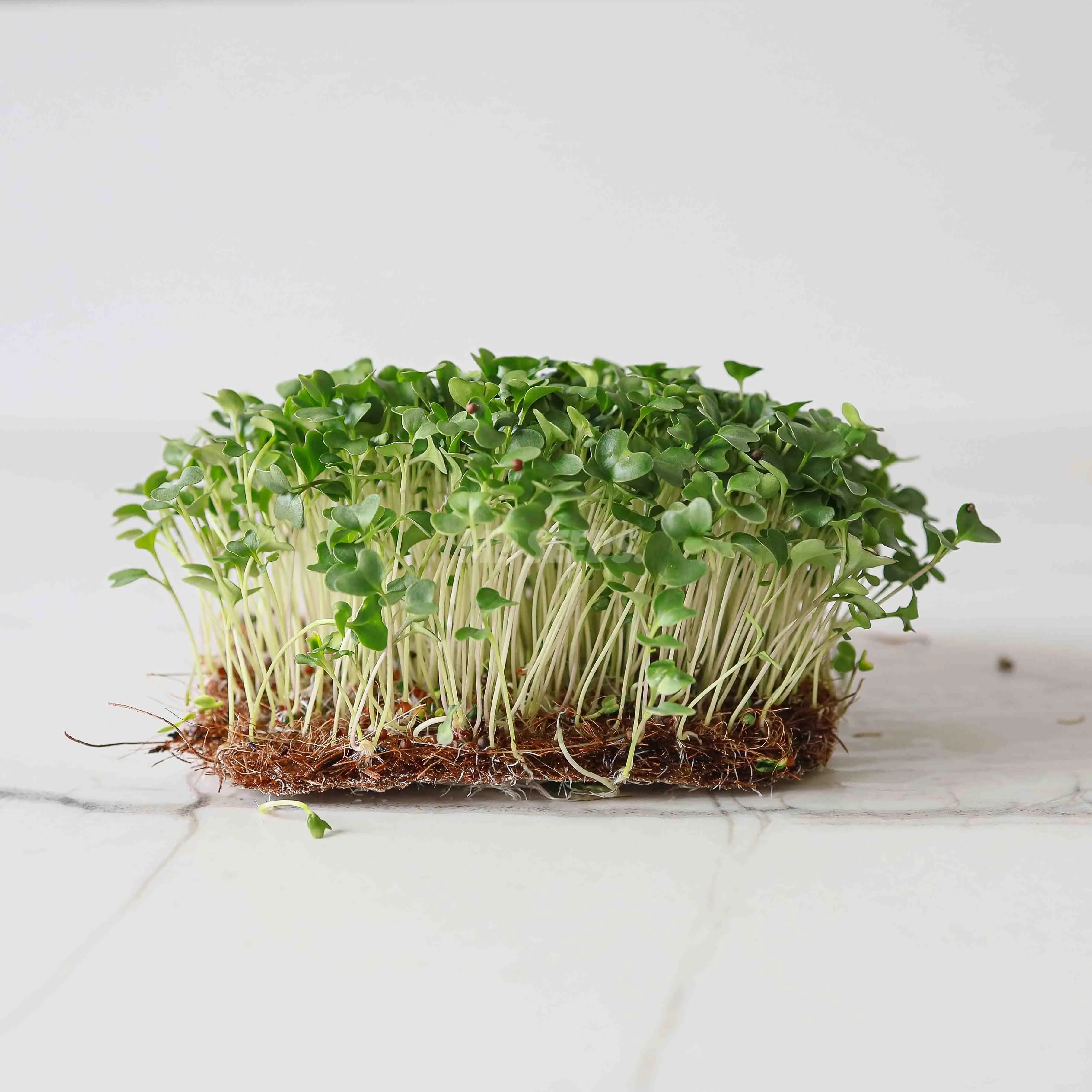
The versatility of broccoli microgreens extends beyond their health benefits. These tender greens can be a delightful addition to a wide range of dishes. Sprinkle them over salads for an extra crunch and vibrant color. Blend them into smoothies to boost the nutrient content and add a fresh, earthy note. Include them in sandwiches for a burst of flavor and texture. When cooking with broccoli microgreens, lightly sauté or stir-fry them to retain their crispness and maximize their flavor. Get creative in the kitchen and let these tiny greens elevate your culinary creations! 🍽️🌱😋
Cooking and flavor tips 👩🍳🌱🌶️
When it comes to cooking and enhancing the flavor of broccoli sprouts and microgreens, here are some tips to consider:
- Enjoy them raw: 🥗 Broccoli sprouts and microgreens are often best enjoyed raw to preserve their delicate flavors and maximize their nutritional benefits. Add them to salads, sandwiches, wraps, or use them as a fresh garnish for soups or bowls.
- Pair with complementary flavors: 🥑🍊 Broccoli sprouts and microgreens have a slightly spicy and earthy taste. Pair them with ingredients that complement their flavors, such as creamy avocado, tangy citrus fruits, or rich cheeses. The contrasting flavors create a harmonious balance in your dishes.
- Lightly sauté or stir-fry: 🔥 Lightly sauté or stir-fry broccoli sprouts and microgreens for a brief period if you prefer a slightly cooked texture or want to mellow the spiciness. This cooking method helps retain their crispness while adding a touch of warmth and tenderness to the greens.
- Incorporate into smoothies: 🥤 Add a nutritious boost to your smoothies by blending broccoli sprouts or microgreens with fruits, vegetables, and your preferred liquid base. Their mild flavor blends well with various smoothie ingredients and adds an extra layer of nutrition.
- Experiment with dressings and sauces: 🍴 Create delicious dressings or sauces using broccoli sprouts or microgreens. Blend them with olive oil, lemon juice, garlic, and other herbs and spices to create a flavorful dressing or drizzle over roasted vegetables, grilled meats, or steamed dishes.
- Use as a topping or garnish: 🌱 Sprinkle broccoli sprouts or microgreens on top of your favorite dishes to add a pop of freshness and texture. They make a delightful garnish for soups, roasted vegetables, omelets, or even pizza.
- Try them in wraps and sandwiches: 🌯 Add a layer of broccoli sprouts or microgreens to your wraps and sandwiches for an extra crunch and nutritional boost. They bring a vibrant color and flavor to your handheld meals.
5. Conclusion about Broccoli microgreens and sprouts
In conclusion, broccoli microgreens and sprouts are true nutritional powerhouses that offer an array of benefits for your health and culinary creations. 🌱💚
These tiny greens are packed with key nutrients such as vitamins, minerals, antioxidants, and the powerful compound sulforaphane. Incorporating broccoli microgreens and sprouts into your diet can contribute to boosting your immune system, supporting cardiovascular health, promoting detoxification processes, and potentially even providing anticancer properties. 🌱🌿🌟
The versatility of these greens allows for a wide range of culinary uses. Whether you enjoy them raw in salads and sandwiches, lightly sautéed for a tender texture, or blended into smoothies for an added nutritional punch, the possibilities are endless. 🥗🌯🍹
Not only do broccoli microgreens and sprouts enhance the flavor and visual appeal of your dishes, but they also bring a fresh, vibrant touch to your meals. 🌱🌈
So, whether you are a health enthusiast looking to optimize your nutrition or a culinary explorer seeking new flavors and textures, don't hesitate to incorporate broccoli microgreens and sprouts into your lifestyle. They are an easily accessible superfood that can be grown at home, providing a wealth of benefits and endless culinary inspiration. 🌱💫🍽️



 Menu
Menu