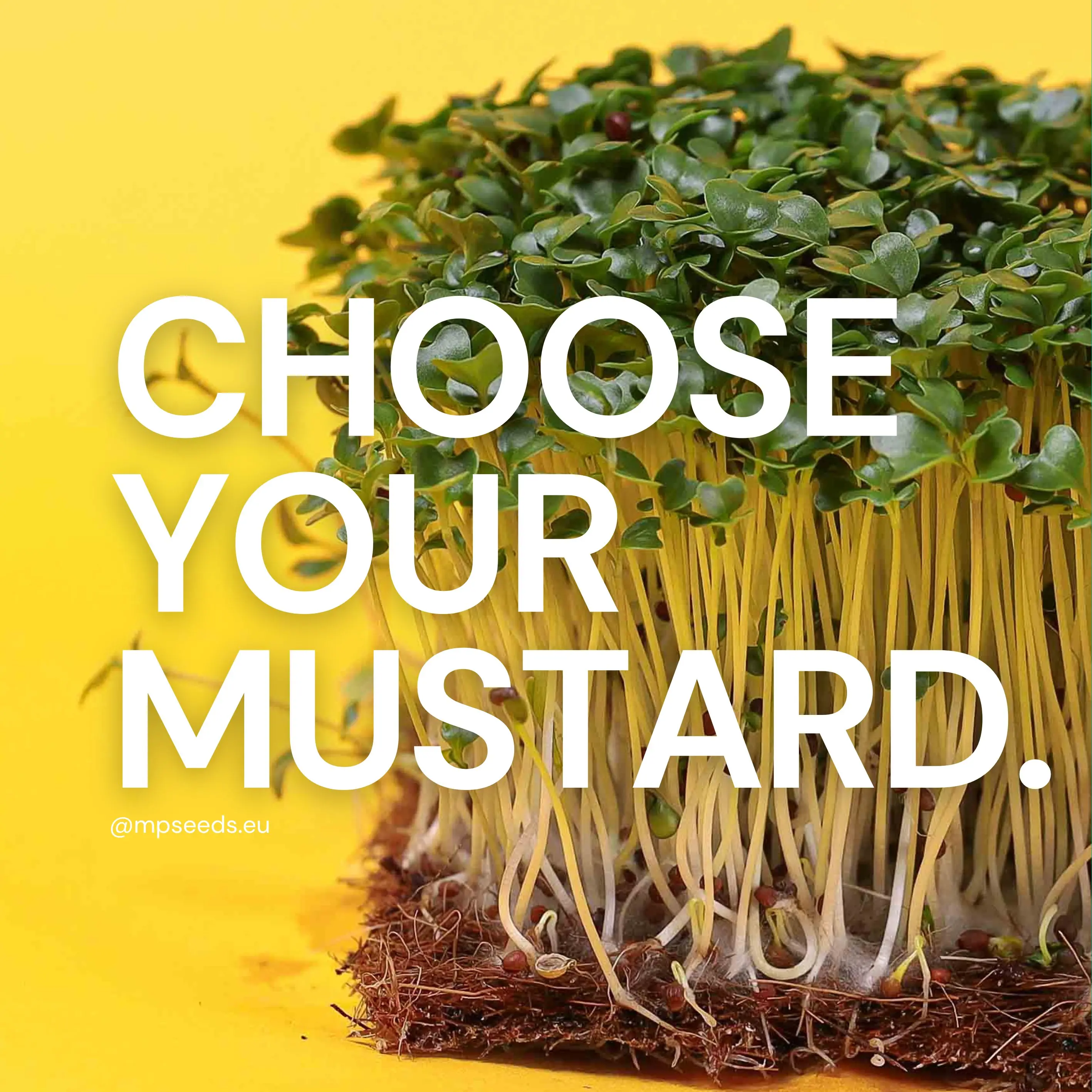
Mustard microgreens stand out for their bold taste, fast growth, and striking appearance. For some, they are a spicy addition to sandwiches; for others, an element of fine dining presentation. If you’re wondering which option will work best, it’s worth taking a closer look at the differences between varieties. This guide provides a practical microgreens variety comparison to help you choose plants that match your needs and preferences.
Menu
- Microgreens Bible (all blogs) (77)
- The ABCs of microgreens (31)
- Microgreens Business (25)
- Microgreens Growing Instructions (33)
- Cooking with microgreens (13)
- Recipes (8)
- Pea Microgreens (3)
- Supplies (7)
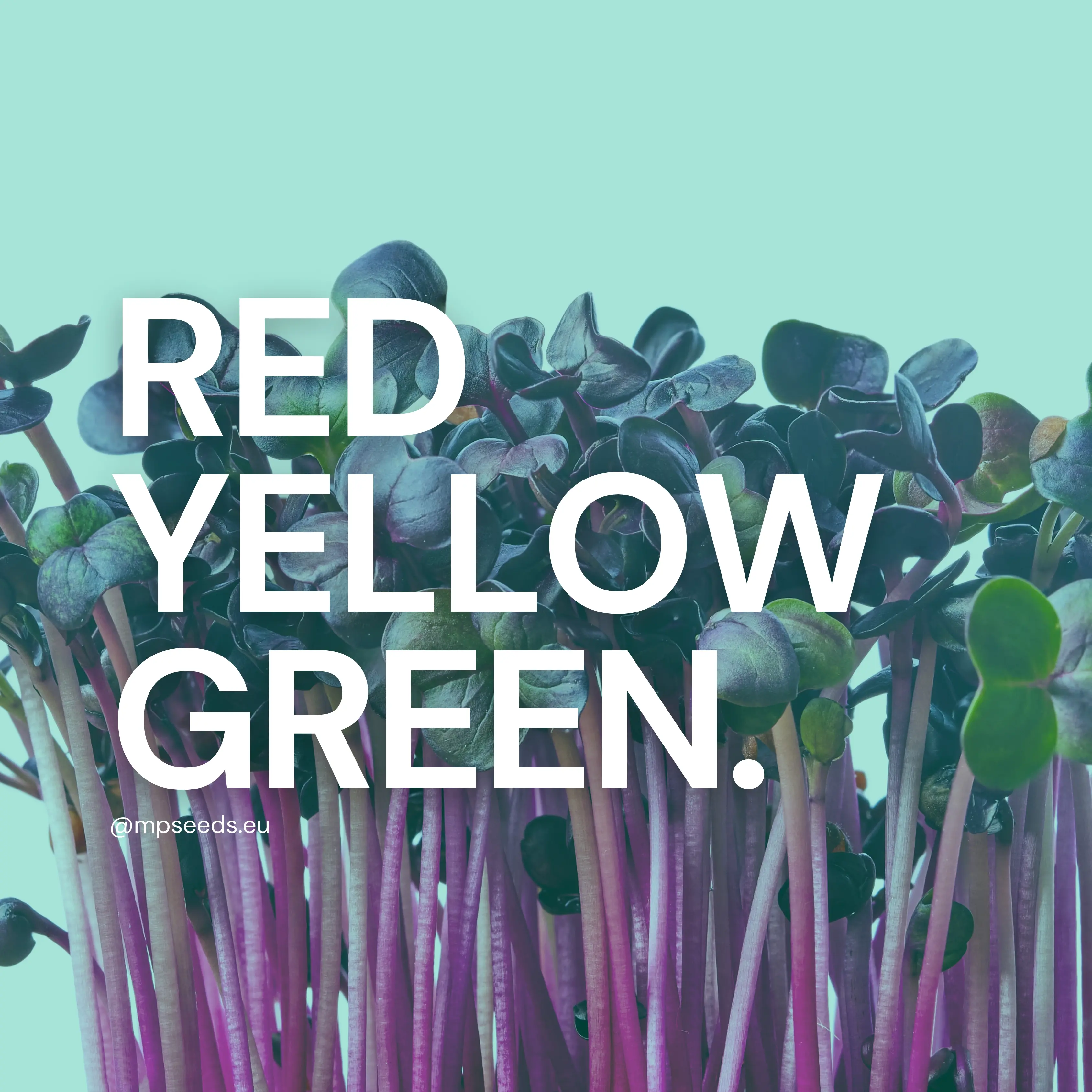
Have you ever wondered why microgreens burst with such a surprising variety of colors — from deep burgundy and vibrant green to bright fuchsia stems and even hints of purple? While size, shape, and flavor often take the spotlight, microgreens color is far from random. In fact, the pigments they develop are not just beautiful — they carry meaning, purpose, and a story of survival and nutrition. Let’s uncover why microgreens don’t all look the same and what their color variation can tell you.
Microgreens might be tiny, but growing them successfully takes more than just sprinkling seeds and hoping for the best. Two of the most important factors in the process are germination and the blackout period. Without a clear understanding of these early stages, growers risk slow, patchy, or uneven crops. Whether you're a home gardener or growing commercially, knowing how long to blackout microgreens and how to manage microgreen germination can make all the difference. Let’s break down what these stages really mean, how they work together, and what to watch for if you want strong, vibrant, and consistent microgreens.