Which mustard variety should you grow? Comparing microgreens by flavor, color and growth speed
Mustard microgreens stand out for their bold taste, fast growth, and striking appearance. For some, they are a spicy addition to sandwiches; for others, an element of fine dining presentation. If you’re wondering which option will work best, it’s worth taking a closer look at the differences between varieties. This guide provides a practical microgreens variety comparison to help you choose plants that match your needs and preferences.
Table of Contents:
- Mustard microgreens - what makes them unique?
- From mild to bold - understanding mustard greens flavor
- Colorful mustard varieties in the kitchen
- Growth speed and growing mustard microgreens
- Microgreens variety comparison - how to choose the best mustard variety?
- MP SEEDS - reliable mustard microgreens seeds
- Choose mustard microgreens that match your cooking style
- FAQ - common questions about mustard microgreens
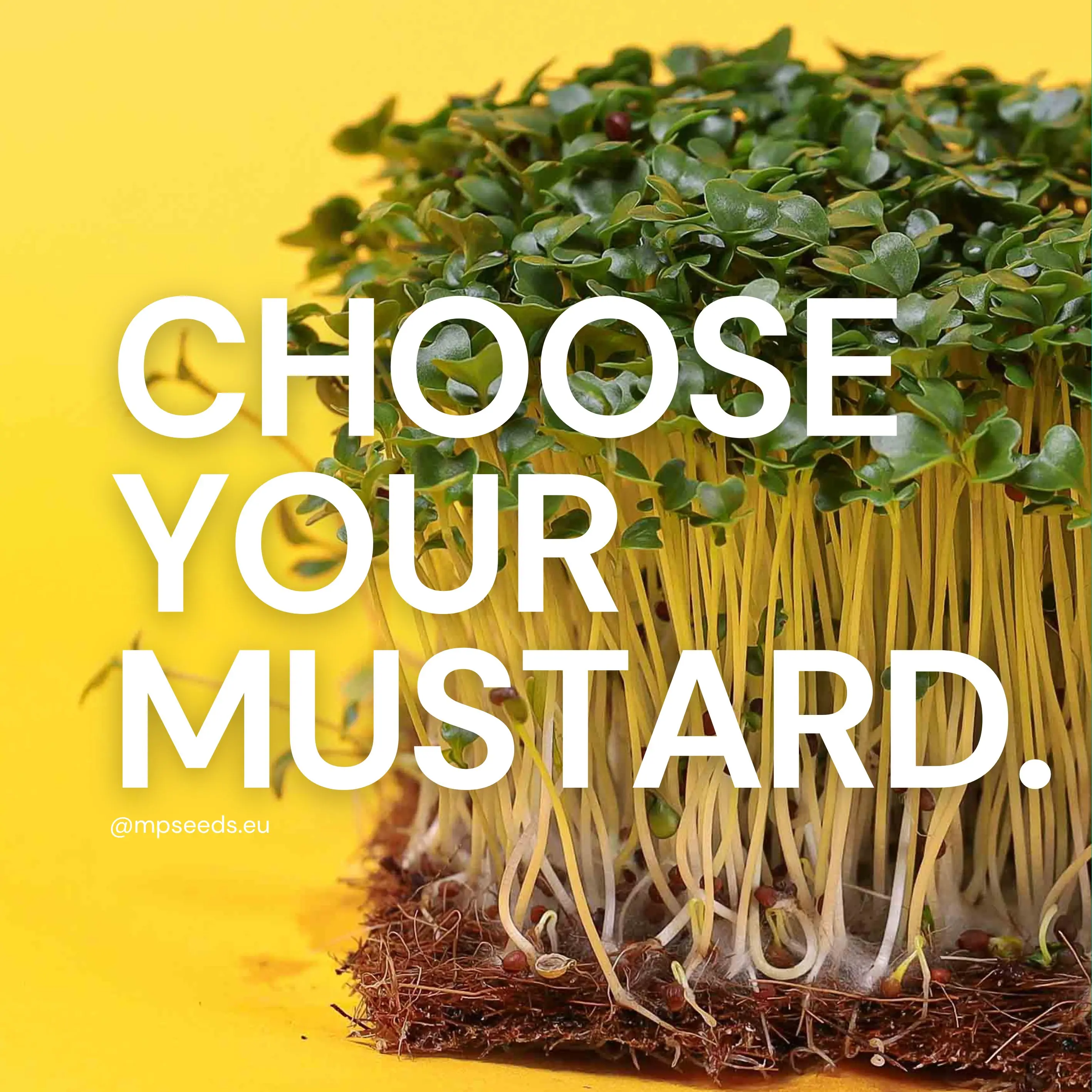
Mustard microgreens - what makes them unique?
Before diving into specific varieties, it’s worth understanding what makes mustard microgreens so popular. Their key characteristics include:
- a bold, slightly pungent flavor reminiscent of horseradish or wasabi,
- very fast growth - often ready to harvest within 5-8 days,
- vibrant colors ranging from light green to deep red,
- versatile use in the kitchen.
This combination is exactly why mustard microgreens are appreciated by both professional chefs and home cooks.
From mild to bold - understanding mustard greens flavor
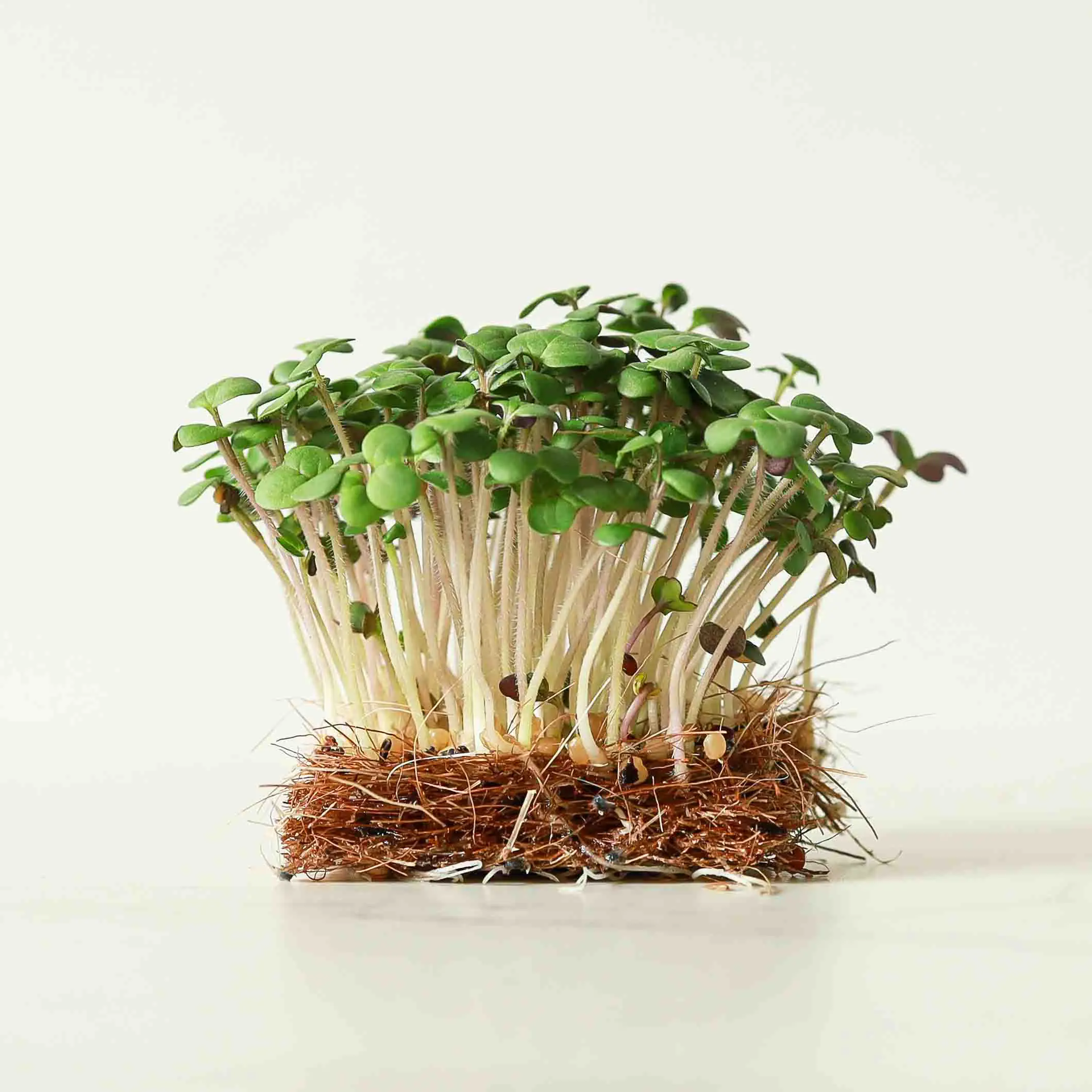
If you want to match microgreens to your dishes, flavor is the best place to start. The mustard greens flavor can vary significantly depending on the variety. Some offer a milder profile, while others deliver a stronger, spicy kick:
- Mustard Wasabi - sharp, tangy, and slightly citrusy,
- Mustard Black - medium spicy and well balanced,
- Mustard White - milder at first with a subtle hint of sweetness,
- Mustard Chinese “B” - gentle in the beginning, with heat developing over time.
Choosing the right flavor allows you to better pair microgreens with specific dishes and culinary styles.
[product id="182, 254"]
Colorful mustard varieties in the kitchen
Beyond taste, appearance plays an important role. Microgreens are often used as a garnish, so color becomes just as important as flavor.
Among the available varieties, you’ll find:
- Mustard Red Giant - large leaves with red and green tones,
- Mustard Radd - intensely red, exotic-looking foliage,
- BIO Mustard Red - deep color with certified organic origin,
- Mustard Black - classic green leaves with contrasting stems.
Colorful mustard microgreens enhance not only the visual appeal of dishes but also emphasize freshness and character.
[product id="8, 150"]
Growth speed and growing mustard microgreens
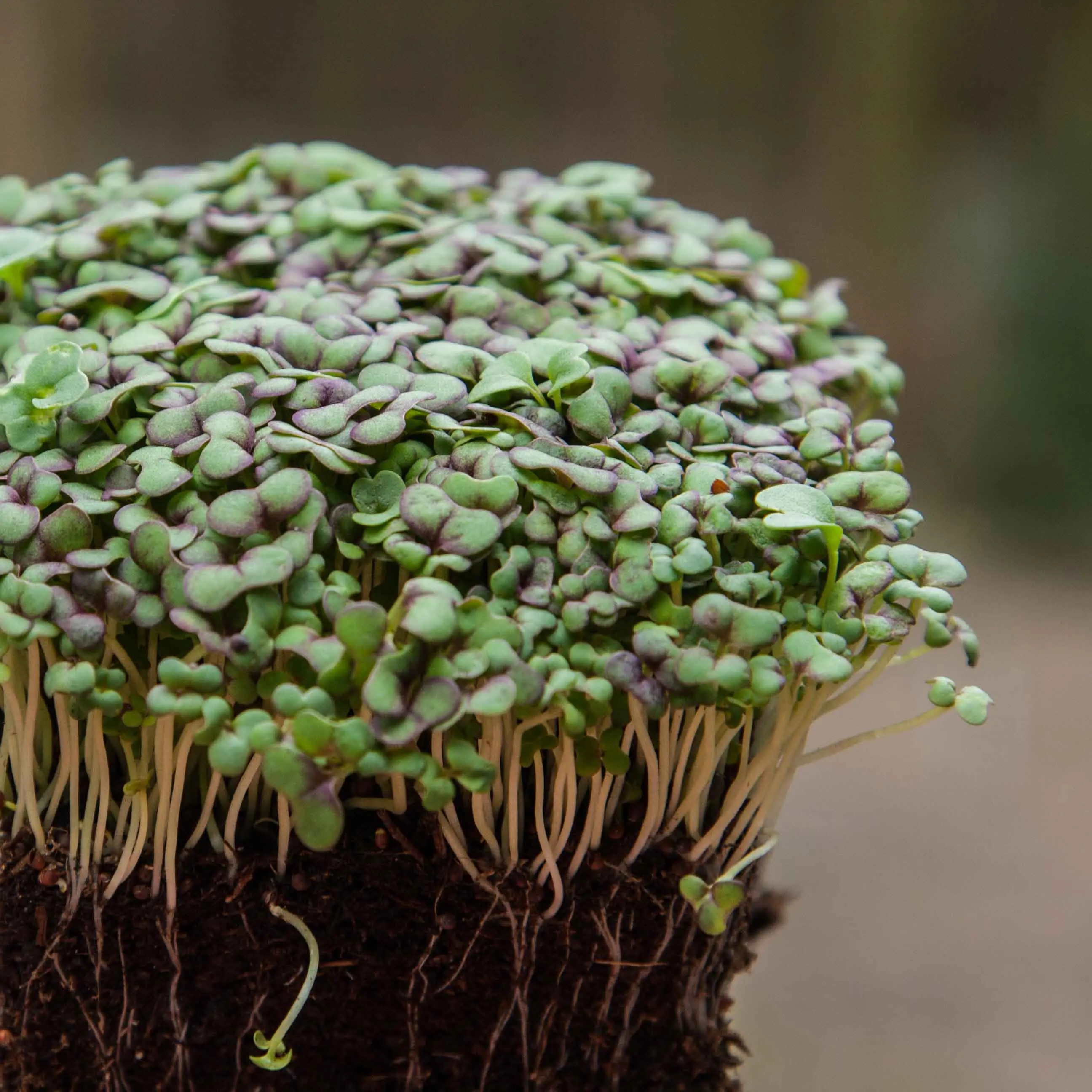
Growing mustard microgreens is one of the fastest processes in home cultivation. However, there are noticeable differences between varieties.
Key growth characteristics include:
- Mustard White - one of the fastest-growing options,
- Mustard Black - stable and predictable development,
- Mustard Red Giant - slightly slower but produces larger leaves,
- Mustard Chinese “B” - moderate pace with good growth control.
This allows you to choose varieties based not only on flavor but also on your growing schedule or kitchen workflow.
[product id="148, 152"]
Microgreens variety comparison - how to choose the best mustard variety?
When you combine flavor, color, and growth speed, you get a complete picture of each option. This microgreens variety comparison shows that there isn’t a single best mustard variety - the right choice depends on your expectations.
If you’re looking for:
- intense spice - go for Wasabi or Red Giant,
- a milder profile - choose White or Chinese “B”,
- visual impact - try Radd or BIO Red,
- quick harvest - White is your best option.
With this approach, you can build your own flavor and visual combinations depending on your culinary goals.
MP SEEDS - reliable mustard microgreens seeds
Choosing the right seeds has a major impact on your results. At MP SEEDS, you’ll find carefully selected mustard microgreens varieties known for consistent growth, vibrant color, and distinct taste. Available options include Mustard Wasabi, Mustard Black, Mustard White, Mustard Chinese “B”, Mustard Red Giant, Mustard Radd, and BIO Mustard Red. Each variety allows you to tailor your cultivation to your preferred flavor and appearance. On the website, you’ll also find detailed descriptions and growing tips, making it easier to choose the right seeds for your needs.
Choose mustard microgreens that match your cooking style
The wide range of options means mustard microgreens can fit almost any cuisine or experience level. Whether you’re after bold spice, a subtle accent, or eye-catching presentation, there’s a variety that will meet your expectations. Start with one or two types and see how they influence your dishes. Over time, you can create your own mixes and explore the full potential of growing mustard microgreens at home.
FAQ - common questions about mustard microgreens
What dishes pair best with mustard microgreens?
Mustard microgreens work well with sandwiches, burgers, salads, Asian dishes, roasted vegetables, and egg-based meals. Their sharp taste enhances milder ingredients and adds depth without the need for extra spices.
Can mustard microgreens be eaten raw?
Yes, mustard microgreens are most commonly eaten raw. This way, they retain their fresh aroma, crisp texture, and full flavor. It’s best to add them to dishes just before serving.
How long do mustard microgreens stay fresh after harvest?
After harvesting, mustard microgreens should be stored in the fridge in a dry container with some airflow. Under proper conditions, they typically stay fresh for several days, although shelf life depends on the variety and harvest stage.



 Menu
Menu