
What Are Sprouts: A Comprehensive Guide for Urban Farming Enthusiasts
Sprouts are a culinary treasure, adorning salads, sandwiches, and a wide array of dishes. With roots as ancient remedies, these tiny wonders remain a beloved choice for home cooks, celebrated by restaurant chefs, and embraced by urban farmers. If you're a sprout enthusiast or curious to explore their versatility, you're in the right place. In this article, you'll discover:
- What Are Sprouts?
- The Nutritional Value of Sprouts
- How to Grow Sprouts?
- Equipment for Sprouting
- Cooking with Sprouts
- The Benefits of Growing Sprouts
- Environmental Impact of Sprouts
Become a Sprout Pro with Us - Let's Begin!

1. What are sprouts?🌱
Sprouts are the young, tender plants that come out from seeds during the earliest stages of growth. As microgreens, they boast a nutritional profile brimming with vitamins, minerals, antioxidants, and enzymes, positioning them as a valuable asset to a health-conscious diet.
Sprouts are renowned for their crispness and distinctive flavors, infusing salads, sandwiches, wraps, and a variety of dishes with an invigorating zest. Sprouts come in a range of shapes and sizes, largely determined by the seed variety they originate from. Yet, they all share a common trait – a satisfying crunch and a gentle, mild flavor.🍽️👌
1.2 Can I sprout every variety of seed?
One might wonder, can all seeds be transformed into sprouts?🤔 The answer is no. Not all seeds are suitable for sprouting. Some seeds possess traits that make them ill-suited for this early growth stage, such as their size, hard shells, or the presence of toxic compounds. Furthermore, seeds intended for planting in the ground are often treated with various chemicals, including antifungal agents, rendering them unsuitable for sprouting. To cultivate sprouts successfully, it's crucial to choose seeds that are specifically designated for this purpose. These include varieties like beans, alfalfa, broccoli, and radish seeds.🌱🌿
1.3 Sprouts Near Me
In search of reliable, chemical-free seeds for successful sprout cultivation? Look no further. At MP Seeds, our diverse Seeds For Sprouting collection fuels your urban farming dreams and delights your taste buds. We provide Europe-wide delivery 🌍, ensuring accessibility to our premium sprout seeds. With just a few clicks, have seeds delivered to your door for a worry-free sprouting journey. We place great emphasis on your health; our seeds undergo rigorous inspections to guarantee your peace of mind as you enjoy your sprouts.🌿😊
[product id="14, 96"]
2. What are Sprouts Varieties?
As with microgreens, the sprout kingdom offers a profusion of varieties, each varying in appearance, flavor, and texture. Familiarize yourself with their varieties and choose the sprout seeds that you love or that pique your interest. Keep in mind that these are only a selection of the most popular varieties, and many more await exploration.
Radish sprouts, with their distinctive sharp, peppery taste reminiscent of the radish root, come in a variety of types, including Radish Red Rambo, Radish Daikon, Radish Rose, and Radish Pink. These sprouts add a zesty kick to your dishes with satisfying crunch. They grow quickly and thrive in cool, shaded conditions.🚀
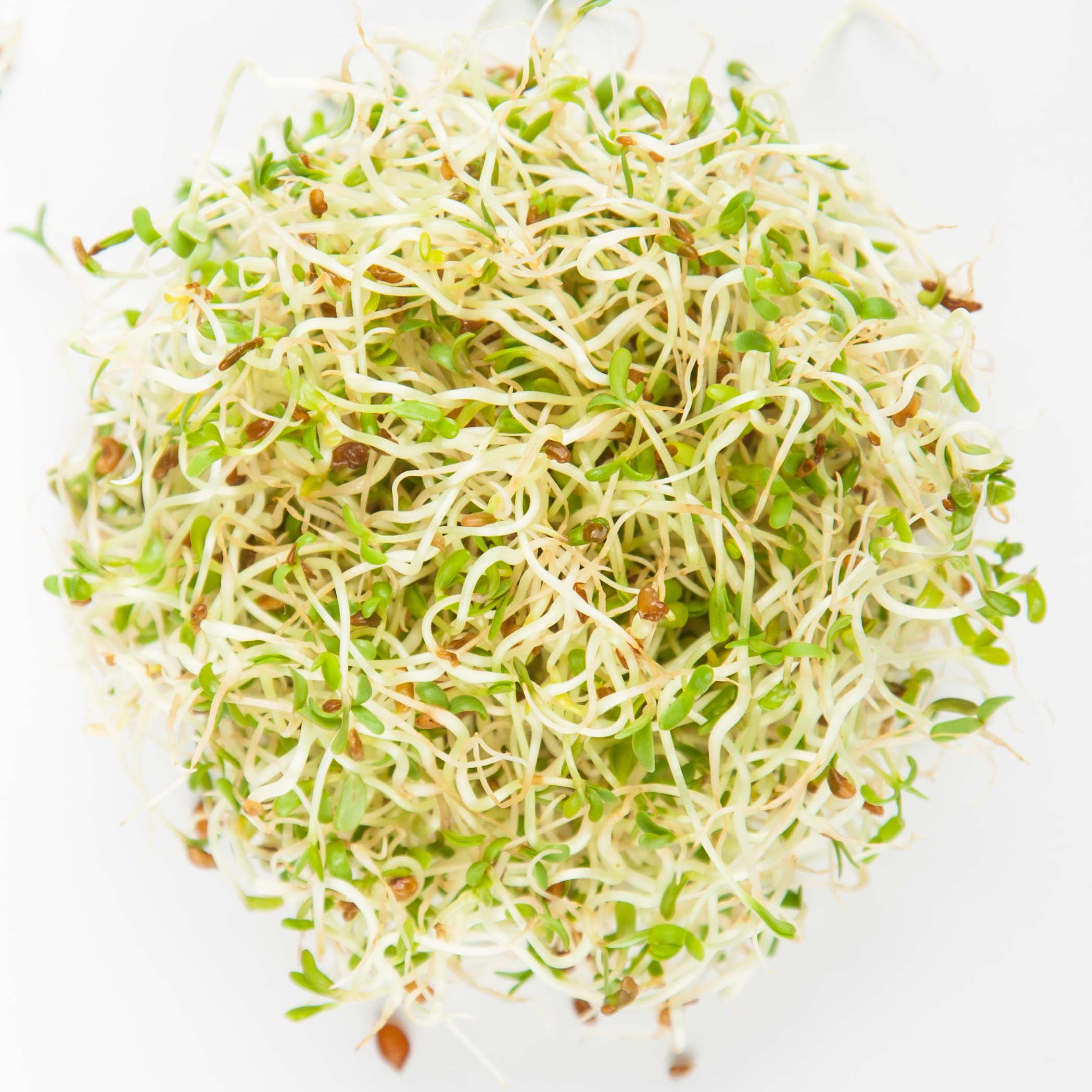
Experience the delightful crunch and mild nutty flavor of alfalfa sprouts. They are easy to grow; simply rinse them daily and ensure proper drainage.
Pea sprouts are unique specimens, packed with vitamins. 🌱They are not only nutritious, but also easier for the body to absorb and digest than whole peas. Within this category, you'll discover several varieties, with our most popular and favorite choices being Pea Dunn, Pea Foxy, and Pea Frilly.
Explore the world of Asian cuisine with mung bean sprouts. These sprouts require regular rinsing and benefit from exposure to light.🚿☀️
With a gentle crunch, juicy texture, and a subtle nutty flavor, sunflower sprouts elevate your every meal. Even better, they sprout rapidly.
Broccoli sprouts are known as a nutritional powerhouse due to their high sulforaphane content.💪 They thrive during the initial growth stages when kept in a warm, dark environment. In our sprouting seeds collection, you can find varieties such as Broccoli Calabrese and Broccoli Rabb.
Choose any of the sprout seeds to infuse your culinary creations with a fresh, vibrant twist and broaden the range of sprouts from your farm. Get ready for a successful and enjoyable sprouting journey!
AlfaAlfa Sprouts ⬇️
3. The Nutritional Value of Sprouts
Sprouts have long been revered as one of the most nutrient-dense forms of plants, a tradition dating back to ancient times. These miniature powerhouses are packed with a wealth of vitamins, minerals, antioxidants, and enzymes. While the specific nutrient composition can vary among different sprout varieties, they are generally recognized for their richness in essential vitamins such as A, C, and K, as well as folic acid and dietary fiber. Including sprouts in your diet is not just a recommendation; it's a nutritional imperative.🌱😊 But the question often arises:
3.1 Are sprouts safe to eat raw?
Most sprouts are best savored in their raw state, as this preserves their nutritional goodness and offers a delightful, crisp texture with a mild flavor. Varieties such as alfalfa, clover, radish, cabbage, broccoli, onion, and sunflower sprouts are perfect for raw consumption. However, sprouts like lentils and mung beans may benefit from a brief cooking step, especially when consumed regularly or in larger quantities.🍽️😋
It's important to note that while raw sprouts are a nutritious choice, safety considerations are crucial. To ensure the safe enjoyment of sprouts, whether consumed raw or cooked, here are key steps to follow:
- Quality Seeds: Start with trusted, tested seeds to avoid contaminants.
- Proper Storage: Keep sprouts in a clean, controlled environment.
- Personal Hygiene: Maintain strict cleanliness when handling sprouts.
- Growing Rules: Follow guidelines for safe and clean sprouting.
These practices are essential to minimize health risks and ensure the safe enjoyment of sprouts.
If you're eager to delve deeper into the nutritional values of sprouts and microgreens, satisfy your hunger for knowledge by exploring our article ⬇️
► Are microgreens better for you than lettuce? Comparison of nutritional properties seeds, sprouts and microgreens and what affects them.
4. How to Grow Sprouts?🌿
Growing sprouts is a straightforward process, requiring little preparation when you have quality, tested seeds. The method involves soaking the seeds, regular rinsing, and ensuring proper airflow and moisture. Whether you aim to grow sprouts for personal use or professional production, these key steps ensure successful cultivation:
- Seeds Selection: Opt for high-quality, disease-free seeds safe for consumption.
- Seeds Preparation: Clean and soak the seeds to remove impurities, dirt, or potential pathogens, following the recommended soaking duration for each seed type to initiate germination.🚿
- Germination: Use sprouting trays or containers to initiate seed germination.
- Rinsing and Draining: Regularly rinse and drain the sprouts multiple times daily to maintain optimal growth conditions.💧
- Hygiene and Sanitation: Maintain rigorous hygiene practices.
- Harvesting: Harvest sprouts when they reach the desired length.🌾
- Packaging and Storage: Package and store sprouts in a refrigerated environment to preserve freshness.📦❄️
- Quality Control: Implement quality control measures to ensure safety and freshness.📋
5. Essential Tools and Equipment for Sprouting at Home
Successfully growing sprouts at home is an easy and rewarding endeavor. To ensure that your sprouts grow healthy and strong, you'll need more than just containers—there are several essential tools and equipment to make the process more efficient and productive. Below is a breakdown of the key items every home sprouter needs.
5.1 What Are the Best Containers for Sprouting?
There is no one-size-fits-all solution for sprouting containers, as different seeds have different needs. However, several types of containers are commonly used by sprouters to encourage healthy growth and easy maintenance:
-
Sprouting Trays: These trays are designed to allow for proper drainage and airflow, which are essential for healthy sprouts. They come in different sizes, and stackable trays are great for maximizing space while sprouting multiple types of seeds. Long sprouts like sunflower or pea thrive best in these trays due to their need for extra space to grow their roots.
-
Glass Jars with Mesh Lids: A popular choice, particularly for beginners. These jars are perfect for smaller seeds like alfalfa or broccoli. They allow easy rinsing and draining, and the mesh lid ensures good airflow to prevent mold growth.
-
Sprouting Bags: These are typically used for larger seeds like beans and lentils. The breathable fabric promotes airflow while keeping the seeds moist during the germination process. Sprouting bags are also lightweight and easy to store.
-
Plastic or Stainless Steel Trays: These durable materials are ideal for those looking for long-lasting equipment. Stainless steel, in particular, offers longevity, while plastic trays are lightweight and easy to clean. Both are great for growing larger quantities of sprouts at once.
[product id="112, 268"]
5.2 Additional Tools to Support Sprouting Success
While containers are a must, a few other tools can significantly improve your sprouting experience and ensure a high-quality harvest.
-
Spray Bottle or Watering Can: Regular rinsing is vital to prevent mold growth and keep sprouts hydrated. A spray bottle helps distribute water gently, while a watering can with a fine nozzle can be used for larger trays.
-
Rinsing Stand: If you're using jars or trays, a rinsing stand helps keep the containers tilted for easy drainage. This helps prevent water from stagnating, which is key to promoting healthy sprout growth and avoiding bacteria.
-
Thermometer: Sprouts grow best in specific temperature ranges. A thermometer can help you maintain the ideal temperature in your sprouting area. For most sprouts, this will be between 18-22°C (65-72°F).
5.3 The Importance of Proper Ventilation and Drainage
Airflow and drainage are two crucial factors in sprouting. Without them, you risk developing mold or unhealthy sprouts.
-
Ventilation: A container with good ventilation allows sprouts to breathe, which prevents the buildup of excess moisture that can lead to mold and rot. Mesh lids or holes in sprouting trays encourage airflow, keeping the growing environment healthy.
-
Drainage: Proper drainage is necessary to avoid waterlogging, which can drown the seeds and lead to unhealthy growth. Ensure that your containers—whether jars, trays, or bags—allow for water to drain freely and not collect at the bottom.
5.4 Keeping Your Sprouts Clean and Healthy
Maintaining hygiene during the sprouting process is essential for ensuring the health benefits of sprouts. Regular rinsing and cleaning of equipment helps prevent contamination and keeps sprouts fresh.
-
Cleaning Tools: A soft brush can be used to clean sprouting trays or jars after each use. It’s important to keep everything sanitized, as sprouts are sensitive to bacteria and mold.
-
Hygienic Practices: Always wash your hands before handling seeds, and ensure your equipment is properly cleaned to prevent contamination.
While you now have the know-how to grow sprouts, there are still two essential questions to address:
[product id="170, 46"]
6. Cooking with Sprouts
You've already become well-versed in sprout varieties, growing methods, and their nutritional value. Now let's get to the most delicious part. How to eat sprouts? Sprouts are incredibly versatile, serving as fantastic additions to a wide range of dishes.🌱🍽️"Suitable for:
- salads,
- sandwiches,
- wraps,
- spring rolls,
- soups,
- stir-fries
giving them a delightful crunch, unique texture, and a burst of flavor.
They also make an excellent garnish. But before you savor the taste, ensure you wash your sprouts thoroughly to minimize the risk of any foodborne concerns. Additionally, it's wise to consider potential allergies or sensitivities your guests might have, allowing you to cater to their dietary restrictions and preferences.
Radish Red Rambo Sprouts⬇️

Curious about our two favorite sprout recipes? Check out our article to see how to use sprouts, microgreens, and edible flowers in your cooking ⬇️
►How to Use Microgreens and Sprouts in the Kitchen? 5 easy recipes ideas.
7. The Benefits of Growing Sprouts
Sprouts offer a wealth of vitamins and nutrients, contributing to improved health. But there's more to gain from cultivating these tiny powerhouses. Growing sprouts not only enriches your well-being but also provides an opportunity for a compelling and cost-effective venture that requires minimal financial investment, space, or equipment. It is worth taking advantage of the opportunity and the growing market demand for sprouts. Which is related to several aspects🌱💪💰:
- Health and Wellness: Sprouts are a nutritious choice that aligns with consumers seeking healthier food options.
- Vegetarian and Vegan Diets: They provide a rich source of protein, fiber, and essential nutrients for those following these dietary preferences.
- Fresh and Local Food Movement: Sprouts are in demand as locally sourced ingredients, supporting quality and sustainability.
- Culinary Versatility: Sprouts enhance a variety of dishes, from salads to stir-fries, pleasing both chefs and home cooks.
- Superfood Status: Certain sprouts, like broccoli sprouts, offer concentrated beneficial compounds, making them highly desirable among health-conscious consumers.
Growing sprouts not only boosts your well-being but also taps into a thriving market with diverse opportunities.
8. The Environmental Impact of Growing Your Own Sprouts
Growing your own sprouts isn’t just about adding something healthy to your meals—it’s also a simple yet effective way to reduce your environmental footprint. It’s especially ideal for urban environments where space is limited and water conservation matters more than ever. Plus, by embracing sprouting, you're not just eating healthier—you’re supporting a more sustainable way of growing food, one that could even turn into a thriving business opportunity.
8.1 Water Efficiency in Sprouting
Sprouting, whether you're growing long sprouts like sunflower or pea or short sprouts such as radish or alfalfa, is a remarkably water-efficient process. Traditional agriculture often requires vast amounts of water, especially in areas prone to drought. In contrast, sprouting uses only a fraction of that amount.
For instance, it is estimated that growing sprouts requires just a few liters of water per batch, making it a more sustainable option for individuals and urban farmers. This water efficiency is especially beneficial in cities where water conservation is a growing concern. By choosing to sprout, you're actively reducing the environmental impact associated with agricultural water usage.
8.2 Minimal Land Requirements for Sustainable Growth
One of the biggest environmental benefits of growing your own sprouts is the minimal land needed for cultivation. While traditional farming demands large plots of land, sprouts can thrive in small spaces.
Sprouts can be grown in a variety of setups—ranging from small trays on windowsills to larger vertical farming systems. This low-space requirement makes sprouts an ideal crop for urban environments, where land is limited but the demand for local, sustainable food is increasing.
8.3 Sprouts Business Ideas: A Green and Profitable Venture
For those interested in starting a sprouts business idea, this cultivation method presents a sustainable, eco-friendly, and profitable opportunity. Sprouts are fast-growing, which means quick harvest cycles, allowing you to produce and sell your crop in a short amount of time. This is particularly appealing for small-scale urban farms looking to maximize output in limited spaces.
As consumer demand for locally grown, fresh, and healthy food continues to rise, starting a sprouts business can be both financially rewarding and environmentally responsible. The growing interest in plant-based diets and sustainable farming practices further strengthens the market for high-quality sprouts, making it an attractive business venture. By focusing on sprouts benefits and offering a product that is both nutritious and eco-friendly, entrepreneurs can tap into a thriving, green market.
8.4 Supporting Sustainable Food Systems
Embracing sprouting not only contributes to better health but also supports a more sustainable food production system. Growing sprouts at home or as part of a small-scale business reduces reliance on large-scale industrial agriculture, which is responsible for deforestation, excessive pesticide use, and significant carbon emissions. Sprouting is a low-impact form of food production that promotes biodiversity and encourages local, sustainable agriculture.
As more individuals and businesses turn to sprouting, the demand for healthier, more eco-friendly food systems continues to grow. By incorporating sprouting into your routine, you're playing a part in the shift towards a greener, more sustainable future.
9. Summary
In the end, the world of sprouts offers much more than just a fresh crunch for your meals—it’s an entire ecosystem of benefits waiting to be discovered. Whether you're fascinated by long sprouts like sunflower or pea, or prefer the quick-growing short sprouts like radish and alfalfa, cultivating these tiny plants is a rewarding experience. Not only are you tapping into the health benefits of sprouts, but you're also exploring a low-cost, high-reward venture, especially if you're considering sprouts business ideas.
The demand for healthy, fresh, and locally-grown food is rising, and growing sprouts aligns perfectly with this trend. It’s a journey where personal health and sustainability go hand in hand, with each batch offering nourishment for both body and planet. So, whether you're growing for your own well-being or diving into a new business, your sprouting journey is sure to be a flavorful and fulfilling one.
FAQ: What Are Sprouts?
1. What Are Sprouts?
Sprouts are the young, tender plants that emerge from seeds during the early stages of growth. They are typically harvested when the plant is still in its germination phase. Sprouts are packed with nutrients and are a popular addition to salads, sandwiches, wraps, and other dishes. They come in a variety of types, including wheatgrass and quinoa sprouts for grains, as well as sunflower and pumpkin seed sprouts for nuts and seeds.
2. What Are the Different Types of Sprouts?
Sprouts can be categorized into several types based on their origin:
-
Grain Sprouts: Such as wheatgrass and quinoa, commonly used for their high nutritional value.
-
Nut and Seed Sprouts: Including sunflower and pumpkin, which offer unique flavors and nutrients.
-
Legume Sprouts: These include mung bean sprouts, lentils, and snow pea sprouts and are known for their high protein content.
-
Vegetable Sprouts: Examples include alfalfa, broccoli, and radish sprouts, which are rich in vitamins and antioxidants.
3. How Do You Grow Sprouts?
The process of sprouting begins with soaking seeds in water to activate the germination process. After soaking, the seeds need to be placed in a dark, moist environment to encourage growth. Regular rinsing is essential to maintain moisture levels and prevent the growth of bacteria or mold. Depending on the type of seed, the sprouting process typically lasts between 3 to 7 days.
4. How Long Does It Take to Grow Sprouts?
The time it takes to grow sprouts can vary depending on the type of seed and environmental factors. For example, broccoli sprouts usually take around 3 to 5 days to fully sprout, while sunflower sprouts can be ready in as little as 2 to 3 days. Factors like the type of container, temperature, and humidity can also influence the sprouting timeline.
5. What Are the Best Containers for Sprouting?
When it comes to sprouting, there isn’t a one-size-fits-all container. To successfully grow sprouts, you need a container that allows the seeds to develop freely and ensures proper drainage. Popular choices include:
-
Glass Jars with Mesh Lids: Ideal for small seeds like alfalfa and broccoli.
-
Sprouting Trays: Best for larger batches of seeds and long sprouts like sunflower.
-
Sprouting Bags: Suitable for larger seeds like beans and lentils.
Choosing the right container helps maintain the right moisture and airflow, which is essential for healthy sprout growth.
6. Can You Eat Sprouts Raw?
Yes, many sprouts can be eaten raw, and they are often added to salads, sandwiches, and wraps for a crunchy texture and fresh flavor. However, some sprouts, such as mung beans and lentils, may benefit from a quick cooking process, especially if consumed in large quantities.
7. Why Are Sprouts Good for You?
Sprouts are highly nutritious, packed with fiber and antioxidants that support digestive health and overall well-being. They are an excellent source of vitamins A, C, and K, as well as folate and minerals. Additionally, sprouts are low in calories, making them a healthy addition to any diet.
8. Where Can I Learn More About Sprouts?
For more detailed information on sprouting and how it compares to other plant-based foods, you can visit the following resources:
Happy sprouting!



 Menu
Menu